Nebraska plates wear their service on the metal. A Purple Heart plate marks a combat wound, a Disabled Veteran plate carries a VA rating, and a Gold Star plate stands for a family that lost a service member. Each design runs on its own eligibility paper, and the county treasurer files the application once the papers line up with the rules. The certification paper leads every set, and the counter checks it before anything prints.
This page covers the designs on the veteran and military catalog, the paper each one asks for, the fee stack from the base plate fee to the design line, the application steps at the counter, the renewal calendar every plate shares, the parking privilege that can ride with the right designation, and the transfer rules when the car changes. The sections follow the path from choosing a design to keeping it on the vehicle for years. Costs stay close to the standard lines, and the tables in the middle carry the numbers. The parking section matters to any veteran who parks at a clinic or a store.
The Designs on the Veteran Catalog
The State of Nebraska honors military veterans and active-duty service members through an extensive catalog of military specialty license plates. Available designs commemorate individual service branches—including the Army, Navy, Air Force, Marine Corps, Coast Guard, and Space Force—as well as specialized service decorations such as the Purple Heart, Bronze Star, Ex-POW, and Disabled American Veteran designations. Each design requires submitting verified service credentials through the Nebraska Department of Veterans’ Affairs.
Pick the design that matches the paper you hold, because the counter checks the certificate before it prints anything. A veteran who qualifies for more than one design picks one per vehicle, and the second design waits for the second car. The eligibility papers, not preference alone, decide what the counter can issue.
The designs print on the standard plate body at the standard size, and they carry the county record the same as any issue. Renewal stickers post on the same corners, and the display duties run identical across the catalog. Ask for the current catalog sheet at the counter, because the program list moves over the years, and the sheet states the proof for each design today.
- Purple Heart: for recipients of the medal, with the award documentation on file.
- Disabled Veteran: for veterans with a service-connected rating, certified by the VA letter.
- Gold Star: for families of service members who died in the line of duty.
- Honor designs: plates that recognize service branches and veterans at large.
Purple Heart Plates: The Award Paper
The Purple Heart plate asks for proof of the award. The certificate, the award letter, or the service record that shows the decoration satisfies the check, and the treasurer keeps the proof method simple. A veteran who earned the medal through any branch files the same paper, and the design prints on the standard plate body.
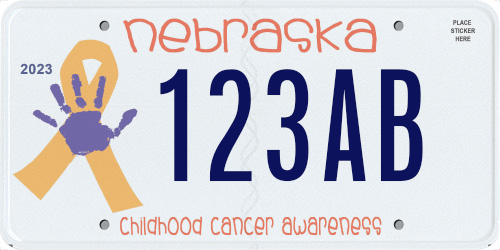
The plate marks the sacrifice in traffic. The base fee stack prices the issue like any registration, and where the program carries a design fee, the posted county schedule answers the exact line. The counter quotes the total before the print order goes in, so the cost never surprises at the window.
Renewals stay ordinary. The design rides the registration cycle, the stickers post on the standard calendar, and the desk asks for no yearly re-proof of the medal. The original paper files once, and the plate carries the design as long as the owner renews on time. File a copy of the award proof at home, because the counter takes the original once and the copy answers the later questions.
Lost award papers replace through the service branch or the national archives, and the replacement letter files the same as the original at the counter.
Disabled Veteran Plates: The VA Letter
The Disabled Veteran designation runs on the VA letter, the certification that the veteran holds a service-connected disability rating. The letter states the rating, and the rating standard the program asks for sits on the application sheet. The county files the letter with the application, and the designation prints with the standard fee stack underneath.
This designation can carry a parking privilege, and the tie matters. Where the rating and the state rules line up, the disabled veteran plate serves at accessible parking spaces like a disability plate. Confirm the terms on the application sheet before counting on a space, and carry the paper in the vehicle either way.
The VA letter answers the question a physician statement answers on the civilian side. One certification drives both the plate design and, where it qualifies, the parking rights. A veteran who already holds a disability placard can run both, the placard for any car and the plate for the registered one.
The letter files once and stays on the record. Renewals repeat the standard lines without new VA paper, and the designation continues as long as the registration renews. Order the VA letter early, because the mail time on the certification sets the pace of the whole filing.
Gold Star and the Honor Designs
The Gold Star plate belongs to the families. A parent, a spouse, or another family member of a service member who died in the line of duty applies with the service record that establishes the loss, and the design carries the Gold Star in traffic year after year.

The honor designs run wider. Branch service, general veteran status, and support designs print on the catalog, and each lists its own proof on the application. Some recognize any honorable service, and some ask for branch-specific papers, so the choice starts in the document drawer.
The designs share the same body, the same fee stack, and the same renewal calendar. What changes is the paper at the first application. Families keep the design through the cycles, and the plate honors the loss without fresh paperwork beyond the standard renewal.
Read the current catalog before choosing, because the program list changes over the years, and the application sheet states the present proof for each design. A quick call to the counter settles the proof question on the phone, and the drive waits for the folder to complete. The counter answers the paper list in one call, and one wasted morning never leaves the plan.
The Fee Stack on a Veteran Plate
Most standard Nebraska veteran branch license plates are available for a nominal one-time program fee of $5.00 in addition to standard vehicle registration taxes and the $4.10 plate manufacturing fee. However, specific military honor designs, including Medal of Honor and Ex-POW plates, are issued completely free of state registration fees and motor vehicle taxes under Nebraska Revised Statutes in recognition of exceptional service.
The plate fee and the county fee run on every issue, veteran or standard, and no design waives them. The design fee runs only on the programs that carry one, and the counter quotes it from the posted schedule, so no veteran guesses at the window. Programs that fund causes add their premium the same way, posted before payment.
Payment runs at the counter or through the mail path where the county offers one, and the receipt lists each line separately. Keep the receipt, because the design line on it documents the program fee for the years that follow. Bring the payment in the form the counter takes, and the filing closes in one pass.
The lines that add up on a veteran plate application.
| Fee line | Amount | Source |
|---|---|---|
| Plate fee | $4.10 per plate, $8.20 a pair | Section 60-3,102 |
| County fee | $1.50 | Section 60-3,141 |
| Design or program fee | The fee the county schedule charges | Posted program rule |
| Tax and fee classes | The state lines quoted at the counter | Registration cycle |
Applying at the County Treasurer
The application starts at the treasurer that holds the vehicle record. Bring the current registration or title, the photo ID, and the eligibility paper for the design, and the counter walks the form once. The application names the design, the vehicle, and the owner, and the signature block carries every named owner.
Ninety-three county treasurers run the same state forms, so the paper looks the same from Kimball to Dakota City. Some counties take mail-in applications for veterans who cannot travel, and the office confirms the mail path on the phone. The ClickDMV portal handles the renewal side for many counties, and the design follows the record online.
Print time varies with the county. The counter quotes the window when the application files, and a temporary paper covers the drive until the plates arrive. Order early in the renewal month and the swap runs without a gap.
Call ahead on the edge cases, a leased vehicle or a trust title, because one phone call saves one wasted trip. One complete folder clears the counter in a single pass, and the design prints with the standard issue. The temporary paper the counter issues covers the road until the print lands.
Renewals on the Standard Calendar
Nebraska military and veteran license plates renew on the standard annual staggered twelve-month schedule assigned to your vehicle based on surname or initial purchase date. Renewal notices are issued by your county treasurer and can be completed online via the ClickDMV portal, by postal mail, or in person. Once your military eligibility has been certified on file with the state, you do not need to resubmit military discharge paperwork for annual renewals.
Renewal costs repeat the base stack: the plate fee where a new issue prints, the county fee at $1.50, and the state tax and fee lines on the age of the vehicle. A design fee that ran at the first issue repeats only where the program rule says so, and the county schedule answers the case at the counter.
Miss the month and the grace terms on the county schedule apply, the same window any driver gets. Renew online where the county offers it, or walk the counter with the papers in hand, and the design continues without re-proving the medal or the rating. Set the reminder on the phone the day the plate issues, because the surname month returns on the same calendar every year.
- Month: the surname initial of the registered owner sets the renewal month.
- Stickers: the month and year post on the plate corner.
- Costs: the county fee at $1.50 and the state lines repeat each cycle.
- Design: the plate face stays unless the owner asks for a change.
The Parking Privilege Tie
The parking privilege follows the certification, not the sentiment. A Disabled Veteran plate issued on a qualifying VA rating can serve at accessible parking spaces under the rules the state sets for the designation, and the veteran who qualifies should confirm the terms on the application sheet before relying on a space.
The civilian placard runs the same spaces on a different paper. A veteran whose disability does not meet the plate standard can still qualify for a placard on a physician statement, and many veterans run both, the design plate on the registered car and the placard for rides in any other vehicle.
Misuse cuts both ways. The privilege belongs to the certified person, and lending the plate or the placard to a driver without the certification risks the fines the court schedule sets. The rules read short and the stakes read high, so keep the certification paper with the plate.
Officers check the match at the space, the paper against the person in the car, and the display rules, so the clean filing protects the privilege every time it serves. Carry the certification in the car, because the space check reads the tie between the driver and the paper before anything gets written.
Moving a Design to Another Car
A veteran plate follows the person, not the bumper. When the registered car sells, the plates come off at the exchange, and the design moves to the replacement vehicle through the treasurer on the same eligibility paper that filed the first time. The county files the move and the new issue prints with the design.
The plate fee applies where a new issue prints, $4.10 per plate under Section 60-3,102, and the county fee at $1.50 under Section 60-3,141 runs with the registration line. The VA letter or the award paper stays on file from the first application, so the move asks for no new certification.
Sell the car and keep the design, transfer it within the family where the eligibility matches, or surrender it at the counter. The one path that fails is the design left on a sold car, because the buyer takes the plates off and the record follows the owner.
Move to a new county and the design follows through the new treasurer, with the old county filing the release and the new one opening the record. The design carries to the replacement at no extra program cost in most cases, and the county confirms the line from the posted schedule.
Papers to Bring: The Full Set
When applying for a Nebraska veteran or military specialty plate for the first time, bringing complete documentation to the county treasurer is essential. Applicants must provide an official Certificate of Release or Discharge from Active Duty (DD-214) verifying an honorable discharge, their vehicle certificate of title, current proof of Nebraska auto liability insurance, and the signed application form certified by the Nebraska Department of Veterans’ Affairs.
The certification papers file once and stay on the record. Renewals after the first issue need the ID and the payment, and the design continues without re-proving the medal or the rating. Keep copies of everything filed, because the paper trail answers the questions a decade later, and the originals stay safe at home.
Build the set in this order: ID first, vehicle papers second, certification third, payment last. The order matches the counter flow, and the clerk moves down the stack without stopping. One folder, one visit, and the design prints with the standard issue.
The set that clears a veteran plate application in one visit.
| Paper | What it proves |
|---|---|
| Photo ID | The owner of record stands at the counter |
| Current registration or title | The vehicle ties to the owner filing |
| VA letter | The service-connected rating for the Disabled Veteran design |
| Award or service record | The Purple Heart or Gold Star eligibility |
| Payment for the fee lines | The plate, county, and program fees at the posted rates |
Filing Problems and Quick Fixes
The most frequent complication when applying for Nebraska military plates is visiting the county treasurer before having military credentials certified by the Nebraska Department of Veterans’ Affairs (NDVA). County treasurers cannot issue military plates without prior NDVA registry approval. Submitting your DD-214 through the NDVA online portal or local county veteran service officer ahead of your treasurer visit ensures your record is pre-approved.
Call ahead when the case sits unusual, a trust title, a leased vehicle, or an out-of-state move. The treasurer answers the edge cases on the phone, and the fix costs one call instead of one lost morning. The application form itself lists the document rules per design, and the state DMV site posts the current versions.
Fix the certification first on any mismatch, because the papers drive the file, and the counter cannot bend the rule. A clean set prints the design the same week in most counties. The state site lists the treasurer offices as well, so the right county takes the set the first time.
- Name mismatch: the certification paper must match the registration name, so correct one before the counter.
- Missing signature: every named owner signs, and a second owner who skips the line freezes the form.
- Expired letter: a VA letter past its stated term renews through the VA office before the counter takes it.
- Design conflict: two designs on one vehicle will not print, so file the one the paper supports.
What a Design Does Not Change
A veteran design changes the face of the plate, and little else. The display statute reads the design plate like any other tag, the upright mount, the twenty-foot read, and the white light at night. No design carries a display exemption, and no design changes the secure mount duty.
The parking question confuses the most people. A design alone grants no parking privilege, because the privilege follows the certification, the qualifying VA rating behind the Disabled Veteran designation. A Purple Heart plate parks like any plate unless the rating supports the parking paper, and the application sheet states the terms for the designation you hold.
The renewals, the fees, and the records all run standard. The design sits on the standard body, the staggered calendar renews it, and the county fee at $1.50 under Section 60-3,141 rides with it like any issue. The plate fee at $4.10 per plate under Section 60-3,102 runs where a new issue prints.
Know what the design does and does not carry, and the plate serves without surprises at the space or the counter. The two questions to ask the clerk stay short: what does the paper grant, and what does the calendar charge.
Frequently Asked Questions
Below are clear, factual answers to frequently asked questions regarding nebraska veteran and military license plates – full list under Nebraska Revised Statutes and official county treasurer administrative guidelines. Whether you are navigating statutory filing deadlines, calculating applicable state and local motor vehicle taxes, or verifying required documentation before visiting your local county office, these concise answers explain the exact legal requirements and procedures that govern motor vehicle administration in Nebraska.
What veteran license plates does Nebraska offer?
The catalog carries the Purple Heart design for medal recipients, the Disabled Veteran design certified by a VA letter, the Gold Star design for families of the fallen, and honor designs that recognize service. Each design runs on its own eligibility paper, and the base fee stack stays the same underneath every choice. All the designs share the standard plate body and the renewal calendar.
How do I get Disabled Veteran plates in Nebraska?
Apply at the county treasurer with the VA letter that certifies the service-connected rating, the current registration or title, photo ID, and the fee payment. The letter files once with the application, and the design renews on the standard registration calendar. Where the rating qualifies, the plate can carry the accessible parking privilege with it. The rating standard sits on the application sheet, so read it before the drive.
How much do veteran plates cost in Nebraska?
The base lines match every registration: $4.10 per plate under Section 60-3,102, $8.20 for a pair, plus the county fee at $1.50 under Section 60-3,141. A design or program fee runs only where the program carries one, and the county schedule posts that line, so the counter quotes the total before you pay. Ask for the itemized receipt, because the design line documents the program fee.
Do Nebraska veteran plates include parking privileges?
Only where the certification supports it. A Disabled Veteran plate issued on a qualifying VA rating can serve at accessible parking spaces under the state rules, and the application sheet states the terms. Veterans who do not meet the plate standard can still qualify for a disability placard on a physician statement instead. The application sheet states the exact terms for the designation you hold.
Do veteran plates cost more to renew in Nebraska?
Renewals follow the standard calendar by surname initial and repeat the base lines: the county fee at $1.50 and the state tax and fee classes on the vehicle age. A design fee repeats only where the program rule says so. The design stays on the record after the first certification, so renewals ask for no new VA paper.
Can I transfer my veteran plates to a new car in Nebraska?
Yes, the design follows the owner. Remove the plates at the sale, take them to the treasurer with the replacement vehicle papers, and the county files the move on the existing eligibility record. A new plate issue prints at $4.10 per plate, and no new VA letter or award paper is asked for the transfer. The design stays on the record, and the plate follows the owner.