A digital license plate is a screen that wears a plate number. The face changes from a phone app, the maker ships updates over the air, and the product line carries a monthly service. Nebraska has no digital-plate program on the books, and the display statute reads a plate as a physical plate, so the screens have no approval lane at any of the 93 county counters today. The question splits in three: is it legal, what would it cost, and what does 2029 change. Nothing on this page guesses at a price; the numbers that exist sit on the statute books and the maker pages.
This page reads the topic the way a Nebraska driver needs it. It covers what the product is, the legal read today, the demands Section 60-3,99 puts on any plate face, and the reasons the current statute holds the door shut. It closes with the 2029 reissue and the window it opens, the subscription cost shape of the leading commercial product, the privacy questions a changing face raises, and the honest moves a driver can make today. No prices sit on this page, because the maker posts them and they move.
What a Digital Plate Is
The product reads simple: a plate-sized screen, e-ink or LCD, that shows the plate characters and, on most models, small message zones. A phone app pairs to the plate over the air. The number can move between vehicles in the account, the display can change without a counter visit, and the power draws from the vehicle or a battery pack. The hardware mounts where the metal plate mounts.
The commercial models run on subscriptions. The screen is the purchase, the service is the monthly line, and the features ride on the plan. The maker posts the prices, and they move with the tiers, so this page reads the shape and not the number.
A plate that can change its face raises the questions metal never did: who can change it, what it shows, and what the record holds. The sections below take those in order, starting with the law Nebraska actually wrote.
The product travels under several names: the screen plate, the e-ink plate, the smart plate. The parts read the same in all of them: a face that changes, an account behind it, and a monthly service bill. Whatever the box says, the statutes read the same object the same way, and the way they read it fills the next sections.
The Legal Read in Nebraska Today
As of today, Nebraska does not authorize the use of electronic, digital, or screen-based license plates on any motor vehicle operating upon public highways. Nebraska Revised Statutes Section 60-3,100 and Section 60-399 explicitly require the display of physical, embossed or flat-printed metal license plates manufactured exclusively by the state. No state administrative rule accommodates aftermarket digital displays, and displaying an unauthorized electronic plate will result in immediate traffic stops and misdemeanor equipment citations from law enforcement.
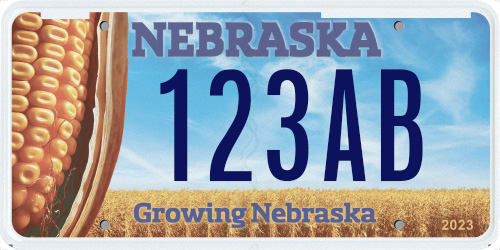
The read matters at the counter. A plate has to be the plate the state issued, and the state issues metal through the 93 county treasurer offices. A screen in the plate position is not a plate the statutes name, so there is no transaction that makes it one. The gap is not a ban; it is an empty lane.
The honest read for a shopper: the product may be legal to own, and it is not a legal plate in Nebraska today. The counter has no line for it, and the display statute reads the issued plate only. The lane waits on the Legislature.
The counter test settles it in one line. Ask for a digital plate at any of the 93 treasurer offices, and the answer reads that no transaction exists. The statutes name the plate the state issues, and the state issues metal. A read that plain does not bend at a window; it bends only in a bill.
What Section 60-3,99 Asks of Any Plate
Navigating the administrative rules and practical requirements for what Section 60-3,99 asks of any plate requires careful attention to both Nebraska Department of Motor Vehicles regulations and local County Treasurer practices. Whether you are managing personal vehicle compliance or handling complex multi-party automotive transactions, proper preparation is key to a seamless process. Review the essential guidelines, statutory criteria, and actionable recommendations detailed below.
The bar reads the same whatever the material. The statute asks about the face, the mount, and the light, and never the brand. A screen would have to pass every line with the power on and with the power out, the way metal passes them without trying.
- Upright: the plate sits vertical, characters outward, on the mount
- Readable at twenty feet: the characters, the stickers, and the county name
- Unobstructed: nothing between the eye and the face, no dimming, no glare
- Securely mounted: the plate holds tight, no swing, no rattle
- Lit at night: the white plate light serves the read after dark
- The full face: the stickers and the county name ride the same read
The display bar in one view.
| The demand | What it asks |
|---|---|
| Upright, secure | The plate sits vertical on a firm mount, no swing |
| Twenty-foot read | Characters, stickers, and county name readable at distance |
| Unobstructed | Nothing dims or blocks the face, day or lit night |
| The plate light | The white light serves the night read |
Why the Current Statute Has No Digital Path
The plate chapters write the plate as a physical object: a face, characters, stickers, a county name, a mount. Nothing in the statutes approves a screen, nothing sets a screen standard, and nothing gives the counter a transaction for one. The statutes do not ban the product by name; they simply never wrote it.

The lane fills only by statute. A bill would define the product, write the display rules, name the fees, and assign the record. The DMV would build the rules, and the 93 county treasurers would run the transactions. None of that machinery exists on the books today.
Until a bill passes, the read stays where it sits: the display statute governs the physical plate, and a screen has no plate status in Nebraska. The counter sells metal, and metal is what the law reads.
The honest line for a curious shopper sits here. The plate on the car has to be the plate the county issued. A screen parked anywhere else on the vehicle is a gadget question, and the plate statutes never enter it. The distinction keeps the curiosity legal and the plate lane clean.
The 2029 Reissue: The Window That Opens
Legislative Bill 97 passed in April 2025 on a 46-0 vote, and it sets two changes at the 2029 reissue: Nebraska issues a single rear plate, and multiyear registration joins the cycle. The fleet reprints, the design refreshes, and the plate questions of the current age get a fresh read at the same time.
A reissue is when plate law moves. The two-plate fleet drops to one plate, the display questions narrow, and a multiyear registration changes how the sticker story works. A screen statute would find a cleaner path in a cycle that is already rewriting the rules, because the Legislature would be writing plate law anyway.
No digital-plate bill rides on the books today, and this page reads none into 2029. The window is real, the statute lane is empty, and the counter stays metal until the Legislature writes the lane.
The multiyear leg matters to the read as well. Fewer sticker renewals mean fewer counter visits, and a plate face that stays fixed longer between changes. A screen that updates daily reads against the direction the cycle took, and the reissue statutes are where the change would have to be written.
The Cost Question: Hardware Plus a Monthly Line
The leading commercial product runs on a subscription. The buyer pays for the screen up front, then pays a monthly service line for the account, the updates, and the features. The prices sit on the maker’s site and move with the plans, so the honest read is the shape: hardware plus a monthly line, for as long as the vehicle wears the plate.
A fee comparison keeps the math honest. Nebraska metal runs 4 dollars 10 cents per plate under Section 60-3,102, issued once per cycle, with the county fee at 1 dollar 50 cents under Section 60-3,141 on the registration. A subscription runs every month, whatever the month brings. The counter line stays the cheap line by design.
Anyone pricing the product should read the plan terms before the purchase: the service length, the move rules between vehicles, and what stops working when the plan ends. The screen without the service is the question the plan answers.
The long math reads at the reissue. Metal prints once per cycle on the counter line. A screen bills every month for the years the vehicle wears it. Set the two side by side across the years between reissues, and the shapes never meet, whatever the tier.
A Screen That Changes Its Face: The Privacy Angle
A plate that updates over the air carries a data trail metal never did. The account knows the vehicle, the update requests carry a location story, and the face can change by remote command. Who reads that trail, and how long the store keeps it, sits in the maker’s terms, not in the state statutes.
The state record keeps its own seal. The federal Driver’s Privacy Protection Act of 1994 seals owner names, addresses, phone numbers, license numbers, and photos inside the motor vehicle record. A digital plate does not open that seal, and it adds a second store, the maker’s account, that the plate statutes never touch.
The questions to ask any maker read short: who reads the trail, how long the store keeps it, and what the face shows during an outage. The answers live in the contract, and the contract is the read that matters.
The face question rounds the read. A face that changes by command raises the what-did-it-show question, and a fixed face answers it by sitting still. The plate statutes have no lines for either case today, and the account terms carry whatever the answer turns out to be.
The Police Read at a Stop
An officer reads a plate at twenty feet, day or lit night, and a screen has to pass the same read. A display that dims, glares, or garbles under headlights fails the statute the same way a tinted cover fails it today. The white plate light serves the read, and the demand runs on the face whatever the face is made of.
The change question sits next to the read. A metal plate carries a fixed face; a screen carries a face an account controls. A stop that watches the display change raises the tamper question, and the statutes answer the fixed-plate case, not the changing one. The empty lane shows again.
Through the current cycle, the safe answer at a stop is the issued plate: metal, mounted, readable, and lit. The screen waits for a statute that names it.
The stop question runs the same lane. An officer who asks about a display gets the answer the statutes give: the issued plate is metal, and the display demands run on the face the state issued. The conversation ends at the glovebox registration and the plate behind it.
What Nebraska Drivers Run Today
The road runs on metal. The standard issue carries the county prefix and the stickers, the specialty catalog carries the designs, and the 93 county treasurer offices run the counters. A worn or damaged plate replaces on the plate fee line at 4 dollars 10 cents per plate under Section 60-3,102.
The display statute reads every face the same. Section 60-3,99 asks for the upright mount, the twenty-foot read, the clear face, and the secure fitting, and the specialty designs pass the same bar the standard issue passes. The plate light serves the night read on all of them.
The 2029 reissue trims the story to one plate and adds multiyear registration, and the plates themselves stay metal. The design refresh is the lane a future screen statute would join, and the fleet wears the design the statutes name today.
The specialty catalog adds the design layer to the same story. Collegiate, conservation, military, and cause designs all ride the statute demands, and the program premium sits above the plate fee line. Personality on Nebraska roads reads in metal today, and the catalog is where it lives.
If You Want the Tech Today
Navigating the administrative rules and practical requirements for if you want the tech today requires careful attention to both Nebraska Department of Motor Vehicles regulations and local County Treasurer practices. Whether you are managing personal vehicle compliance or handling complex multi-party automotive transactions, proper preparation is key to a seamless process. Review the essential guidelines, statutory criteria, and actionable recommendations detailed below.
- A phone mount and the apps: the navigation and alerts without touching the plate at all
- A smart frame around a standard plate: a product question, and the frame still answers the display statute with nothing blocking the face
- The wait: the 2029 reissue is the window, and a screen statute would ride a bill the Legislature has not written
- The plate light check: the one display fix that costs minutes and serves the statute tonight
Metal Against Screen: The Comparison
Navigating the administrative rules and practical requirements for metal against screen: the comparison requires careful attention to both Nebraska Department of Motor Vehicles regulations and local County Treasurer practices. Whether you are managing personal vehicle compliance or handling complex multi-party automotive transactions, proper preparation is key to a seamless process. Review the essential guidelines, statutory criteria, and actionable recommendations detailed below.
The table reads the gap in five rows, and the gap is the statute. Metal carries the counter, the fee line, and the record because the statutes name it. The screen carries a subscription and a promise because no statute does. When a bill names the screen, the rows change, and not before.
The comparison in one view.
| The line | Standard metal plate | Digital plate product |
|---|---|---|
| Legality in Nebraska | The issued plate, sold at every county counter | No program on the books; no approval lane today |
| Cost shape | 4 dollars 10 cents per plate under Section 60-3,102, once per cycle | Hardware plus a monthly subscription; the maker posts the prices |
| Display rule | 60-3,99: upright, twenty-foot read, unobstructed, secure, lit at night | The same bar would apply; no statute names the screen yet |
| The record | The state plate file, sealed on owner identity by the DPPA | The maker account adds a second store the plate statutes never touch |
| The cycle | 2029: single rear plate, multiyear registration under LB97 | No bill on the books; the reissue is the window a bill would use |
Questions Drivers Ask at the Counter
Five questions repeat at a treasurer window, and the answers read on the statutes. Can I buy one here: no counter sells what no statute names. Can I mount the one I bought elsewhere: the display statute reads the issued plate, and a screen has no plate status. Will my county make an exception: the counter runs the statutes, and the statutes read metal. What about a plate that shows ads between drives: the changing-face question again, and the same empty lane. Does the dealer install one: the dealer sells cars, and the plate lane still runs metal.
The fifth question runs the closest to the line: what would a bill need. A statute would name the product, the display rules, the fees, and the record, the way the plate chapters name metal. Until a bill carries those four parts, the answers stay the same at every counter in the state.
The staff hear the questions kindly and answer them the same way. The plate the state issues is the plate the state reads, and the read has one face today.
- Can I buy one at the counter: no counter sells what no statute names
- Can I mount one from another state: no plate status exists for a screen here
- Will my county bend: the counters run the statutes, and the statutes read metal
- What about ad space on the face: the changing-face question, the same empty lane
- What would a bill need: the product, the display rules, the fees, the record
Frequently Asked Questions
Below are clear, factual answers to frequently asked questions regarding digital license plates in nebraska – legal status and cost under Nebraska Revised Statutes and official county treasurer administrative guidelines. Whether you are navigating statutory filing deadlines, calculating applicable state and local motor vehicle taxes, or verifying required documentation before visiting your local county office, these concise answers explain the exact legal requirements and procedures that govern motor vehicle administration in Nebraska.
Are digital license plates legal in Nebraska?
Not as plates. Nebraska has no digital-plate program on the books, and the display statute reads a plate as a physical plate with a fixed face, stickers, and a county name. No counter has a lane for a screen, so a digital plate product is not a legal plate on Nebraska roads today. The lane waits on the Legislature. A screen has no plate status here.
Does Nebraska have digital license plates?
No. The state issues metal plates through 93 county treasurer offices, and the statutes name the physical plate. The 2029 reissue under LB97 changes the design, one rear plate and multiyear registration, but no digital program rides with it. The topic stays a watch item until the Legislature writes a lane. Until then, the counter sells metal. The bills, not the ads, are the watch.
How much does a digital license plate cost?
The leading commercial product runs on a subscription: the hardware purchase plus a monthly service line for the account and the updates. The maker posts current prices, and they move with the plans. Against it, Nebraska metal runs 4 dollars 10 cents per plate under Section 60-3,102, issued once on the counter line. Read the plan terms before the purchase. The subscription renews; the counter line does not.
What does Section 60-3,99 require of a license plate?
An upright mount on a secure fitting, the characters, the stickers, and the county name readable at twenty feet, and an unobstructed face. The white plate light serves the read at night. Every plate clears the same bar, standard or specialty, and a screen product would face the same bar with no statute naming it yet. A screen would meet the same bar.
Will Nebraska ever allow digital license plates?
No statute opens the lane today. The natural window is the 2029 reissue: the fleet reprints, the design refreshes, and multiyear registration arrives under LB97. A screen statute would join a cycle like that, written by the Legislature, with display rules and fees named in the bill. Until then, the counter stays metal. Watch the bills, not the ads, and the fee lines would sit in the bill text.
Can a digital license plate be tracked?
The product pairs to an account over the air, so the maker’s service holds the trail the plate writes. Nebraska statutes never touch that store; they govern the physical plate. Owner identity inside the state record stays sealed by the federal DPPA of 1994, and the maker’s terms are the read that answers the tracking question. The plate statutes never held that store.