A Nebraska historical plate marks a car as a piece of the fleet’s past. The route fits vehicles that have reached the age line, 25 years in current practice, and it trades daily-road freedom for hobby terms at the county counter. The standard registration stays open as the alternative, and both routes answer to the same display statute on the road. The designation reads as a promise about use first and a plate second, and the counter files both on the same visit.
This page covers what the historical designation does, the 25-year age rule as it runs in current practice, the hobby and exhibition use limits, the standard route and how the two compare, the collector wall where old plates hang as display pieces, the application set at the treasurer, the display rules that still govern the antique, and the collector side of the hobby. The sections follow the decision from the garage to the counter and back. The age line comes first in every case, and the use terms come second. The final section turns the whole page into a short decision list for the garage.
What a Historical Plate Does
The historical designation marks a vehicle as an antique on the record. The plate announces the age of the machine, and the registration behind it runs on hobby terms instead of daily-driver terms. The state built the route for the car-show side of the fleet, the machines that come out for shows, parades, and maintenance runs instead of commutes.
The designation changes the terms, not the ownership. The title still ties to the owner, the insurance still runs, and the county still files the vehicle. What changes is the use statement the owner makes: the car serves the hobby, and the standard registration remains the route for unlimited road use.
The plate also serves the record side of the hobby. A century of Nebraska vehicles ran on county-coded plates, and the historical route keeps those old faces alive on the cars that match their years.
Read the designation as a use statement first and a plate second. The counter files the terms, and the face on the bumper follows the terms. Ask the counter what the terms allow before the filing, because the answer shapes the insurance call that follows. One honest answer files clean, and the plate carries the terms on the road.
The Age Line: 25 Years in Practice
The working age line sits at 25 years in current practice. A vehicle that left the factory a quarter century ago fits the antique description the route serves, and the county reads the year off the title or the build papers before it issues the designation.
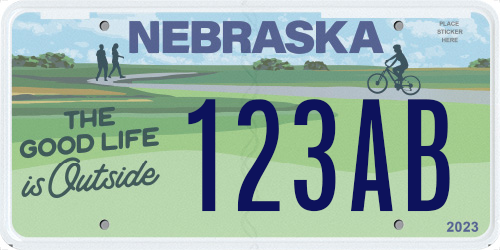
The number matters at the application, and the papers decide it, not the paint. A rebuilt car carries its title year, a restored car carries the model year, and the counter reads the papers rather than the badge. A vehicle newer than the line stays on the standard routes until it ages in.
Confirm the line at your own counter before planning a project around it, because the posted rules and local practice answer the edge cases together. The age line opens the door, and the use rules decide what the car may do once it walks through.
Keep the age proof with the vehicle papers permanently, because the designation traces to that paper every time the file moves. A restoration that swaps bodies raises the year question, and the title year settles it, whatever the badge on the grille says. File the papers that carry the title year, and the age line clears itself.
Hobby and Exhibition Use Limits
Nebraska historical license plates—authorized under Nebraska Revised Statute Section 60-3,130 for vehicles at least 30 years old—carry explicit statutory operating restrictions. These vehicles may be operated on public roadways solely for hobby activities, car club events, public exhibitions, parades, and occasional test drives for mechanical maintenance. Operating a vehicle bearing historical plates for daily commuting, general commercial transport, or routine personal errands violates state law and can result in the revocation of historical registration status.
The limits trade road freedom for the designation. A driver who needs the car every day keeps the standard registration, and a driver who wants both runs the regular plates instead. The use statement on the application is the contract, and the plate reads on the road as a car on hobby terms.
Insurance lines match the terms too. A policy written for hobby use prices the limited mileage, and a policy written for commuting prices the daily road. Keep both files honest, because a claim review reads the registration terms against the policy terms. Read the use list against the household calendar before choosing, because a season of school runs sends the car back to the standard route.
- Exhibitions: shows, meets, and club displays where the car appears as a piece.
- Parades: civic processions and memorial runs on the community calendar.
- Club activities: organized drives and charity events on the club schedule.
- Maintenance runs: the test drives and service trips that keep the machine healthy.
- Not included: the daily commute, errand runs, and general road use.
Historical Terms vs Standard Registration
When deciding between historical plates and standard passenger registration for a vintage vehicle, owners must weigh substantial tax savings against operational flexibility. Historical plates require only a one-time $50 permanent registration fee and permanently exempt the vehicle from annual motor vehicle property taxes and city wheel taxes. However, if you plan to drive your classic automobile regularly for daily errands or road trips, maintaining standard annual registration is legally required.
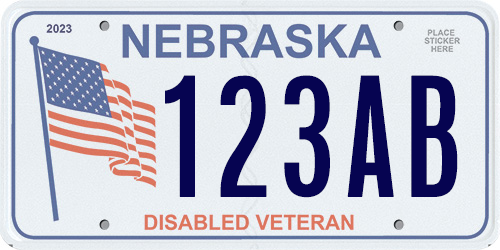
The standard route costs more across the year because the tax and fee classes run on it, and it buys the unlimited road. The historical route trims the use to match the machine. Owners who split the difference sometimes run two vehicles, the antique on hobby terms and the daily driver on the standard stack.
Switching routes stays open both ways. A car that ages into the designation can file it, and a designation that outgrows its owner’s schedule returns to the standard route at the counter. Compare the routes against the real calendar of the household, because the use case decides the money case. The table above carries the compare points, and the answer follows the use.
How the two registration routes compare.
| Line | Historical route | Standard registration |
|---|---|---|
| Road use | Exhibitions, parades, hobby runs | Unlimited street use |
| Age fit | 25 years in current practice | Any age vehicle |
| Fee lines | The fee the county schedule charges | Plate, county, tax, and fee classes |
| Plate face | Antique or standard issue | Standard issue with the county code |
| Renewal | On the posted cycle | Staggered month by surname initial |
The Collector Wall and Old Plates
Vintage automotive enthusiasts frequently collect authentic antique Nebraska license plates for garage displays, car shows, and historical exhibitions. While displaying expired historical plates as garage decor is completely unregulated, mounting an authentic vintage plate on an operable vehicle requires participating in Nebraska’s Vintage Year-of-Manufacture (YOM) program, where the county treasurer must formally inspect and approve the period-correct plate before assigning it.
The collector market runs strong in Nebraska because the county codes give every tag a hometown. A 1951 letter-year plate, a pre-war tag, or a 66 from Cherry County carries story value, and the trade runs through meets, online lists, and the collector tables at the shows.
The legality line sits at the bumper. A wall plate needs nothing but a nail. A plate that rolls needs the registration that authorizes it, and the historical route is the lawful way to put an old face on an old car. Mounting a decades-old tag to dodge registration reads as a violation.
Buy a vintage tag for the wall and enjoy it. Plan to run one on the road, and file the designation that authorizes it first.
- Wall life: a plate on the garage wall is a collectible, no registration attached.
- Car life: a plate on a driven car must match the registration behind it.
- Watch the swap trap: mounting an old tag to dodge registration is a violation.
- Display rule: whatever hangs on the car must pass the display statute.
Display Rules: The Same Statute Runs
The antique car answers to the same display statute as the commuter. Section 60-3,99 demands the upright mount, the plainly visible characters, the unobstructed face, and the secure hardware, and the twenty-foot read covers the characters, the stickers, and the county name on the plate.
The white light duty runs at night. A historical car driven to an evening show lights its plate the same as any other, and the fixture on the vintage body carries the duty. The twenty-foot test also answers the period brackets and the antique bumpers that hold the plate differently than a modern car.
The old-plate question ends at the same statute. A historical plate on a registered antique passes the read the same as a standard issue, and a plate that fails the twenty-foot test fails the stop whatever its age. The statute never aged out with the car. Night drives answer the light question too, and the fixture on a vintage body needs the same white beam the modern cars carry.
Walk the twenty feet in the garage before the first show of the season, because the winter grime and the faded print fail the read before the road ever sees the car.
Applying at the Counter
Applying for Nebraska historical license plates is conducted directly through your local county treasurer counter. The vehicle owner must submit a completed Application for Historical License Plates (DMV Form), certify that the vehicle is maintained primarily as a collector item for hobby and exhibition purposes, present the clean certificate of title, and pay the one-time $50 state program fee alongside standard title processing charges.
The counter walks the set once and files the designation on the vehicle record. Renewals follow the posted cycle, and the plate stays with the car across the years as long as the hobby terms hold. A use change, where the car becomes a commuter again, moves the vehicle back to the standard route.
Order the plate early in the season. The print window the counter quotes runs the same as any issue, and the show calendar waits for nobody. Renewals after the first filing run short, the ID and the payment, and the designation carries without re-proving the age. Call the counter before the drive, because the offices list any extras, photos or inspection notes, on the phone in one call.
- Proof of age: the title or registration year that clears the age line.
- The application form carries the historical designation block on the state form.
- Insurance proof: the coverage the road demands, quoted by the carrier.
- The fee is the one the county schedule charges, posted at the counter.
- Photos where asked: some counters document the vehicle condition at filing.
Insurance and the Hobby Car
The road demands coverage whatever the plate says. The historical route files with the insurance proof the counter asks for, and hobby-car policies price the agreed value and the limited use the terms describe. A daily-driver policy rarely fits an antique, and the carriers that serve the hobby quote the mileage expectations the route runs on.
Keep the policy and the use statement aligned. A car insured on hobby terms that commutes daily reads wrong on both files, and an accident review reads the registration terms against the policy terms. The honest match protects the claim when the rare road case lands.
Storage seasons change the picture too. Some carriers suspend road coverage through the storage months and restore it before the first show, and the policy answers its own terms on the question. Read the policy, ask the agent, and keep the plate, the coverage, and the use telling one story.
Raise the storage question at the same time you raise the antique question, because one policy that matches both the terms and the seasons costs fewer phone calls. One honest policy answers the road, the storage, and the show season, and the counter files the proof without a follow-up call.
Selling or Moving an Antique
The antique sells like any other car, the title assignment moving ownership, and the registration question follows the buyer. The historical designation does not transfer automatically, because the new owner files the designation fresh on their own papers and eligibility.
The plates follow the seller, the same rule the standard route runs. The pair comes off at the exchange, the buyer drives on the temp tag, and the new owner files the title inside 30 days and orders the issue that fits the use, historical or standard.
A project car with an old plate in the trunk carries that plate as a collectible until the paperwork makes it a registration. The collector value of a matched vintage tag survives the project, and the lawful plate choice waits at the counter.
Hand the buyer the build papers and the age proof you held, because the new owner needs the same age line cleared on the next filing. Keep the vintage tag out of the deal, because the tag follows the collector value, not the vehicle. The buyer files the title inside the 30-day window, and the designation question waits for the new papers at the counter.
Clubs, Meets, and the Collector Side
The hobby runs on its calendar. Club meets fill the fairgrounds and the museum lots through the warm months, charity cruises line the main streets, and the auction season moves the rarest pieces through the market. The historical designation fits the calendar, the shows and the drives the terms list.
Clubs keep the knowledge moving too. The parts lists, the restoration shops, and the judge sheets at the shows all trade through the membership, and a new owner learns the hobby faster inside a club than outside one. The plates spark the conversations, a 21 tag from Scotts Bluff or a letter-year 1951 pulling questions all afternoon.
The county counters see the seasonal pattern. Applications rise in the spring before the show season, and renewals cluster where the calendar puts them. The hobby and the counter run on the same clock. Ask the club before the counter, because the members carry the county quirks in memory and the answer arrives faster than the search.
- Meets: the club calendar sets the season, spring through fall.
- Auctions: the rare pieces trade where the collectors gather.
- Swap tables: old tags and parts change hands at the shows.
- Judging: the shows score the cars against the factory details.
Choosing the Route: A Short Decision List
Choosing whether to register your vintage vehicle under Nebraska’s historical plate statutes or as a standard passenger vehicle depends on three key questions: how often you drive the car, whether you use it for daily commuting, and whether you prefer paying a one-time $50 fee versus annual motor vehicle taxes. Reviewing your annual driving mileage and intended road use helps ensure you select the registration classification that matches your lifestyle.
Ask the use question first. How often does the car drive, and on which roads? A machine that comes out for the shows and the summer tours fits the historical terms, and a machine that covers the school runs and the groceries fits the standard registration. The honest answer picks the route, because the terms follow the calendar the car really runs.
Ask the household question second. Does the family own a daily car already, or does the antique carry the whole load? A household with two vehicles splits the roles cleanly, the antique on hobby terms and the commuter on the standard stack, and both counters stay happy.
Ask the money and paper questions last. The fee the county schedule charges, the insurance the carrier quotes, and the age proof in the folder complete the picture. Take the answers to the counter, and the filing runs once.
- Use question: the honest calendar of the car picks the route.
- Household question: a daily car beside the antique splits the roles cleanly.
- Age question: the title year clears the line at the counter.
- Money question: the posted schedule and the insurance quote set the year.
Tracing an Old Plate’s Story
An old tag carries a decode on its face. The digits before the dash name the issuing county from the 1922 list, the serial shape dates the format, and the six excluded letters, I, M, O, Q, W, and X, rule out serials that never ran in the coded years.
The records run deeper. County archives and state records hold the registration trails, and the collector references map the designs and the years. A plate matched to its car and its county reads as a document, the fleet size of 1922 and the format of its decade stamped in metal.
The DMV answers record questions at its desks for the requesters the law allows, and the private trail runs through the collector references. Either way, the story starts on the face: the county number, the letters, and the shape.
Read any tag against the table on this page, and the decode gives the county, the format, and the decade in one pass.
The marks on an old tag and what each one tells.
| Mark on the tag | What it tells |
|---|---|
| Leading digits | The county code from the 1922 vehicle count |
| Dash and serial shape | The code width: one digit, two digits, or uncoded |
| Serial letters | The format years, with six letters the coded counties never printed |
| 1951 letter face | The one-year letter coding, Douglas X and Otoe Z among them |
Frequently Asked Questions
Below are clear, factual answers to frequently asked questions regarding nebraska historical plates – antique car registration under Nebraska Revised Statutes and official county treasurer administrative guidelines. Whether you are navigating statutory filing deadlines, calculating applicable state and local motor vehicle taxes, or verifying required documentation before visiting your local county office, these concise answers explain the exact legal requirements and procedures that govern motor vehicle administration in Nebraska.
How old does a car have to be for historical plates in Nebraska?
The working line sits at 25 years in current practice. The county reads the year off the title or the registration papers at the application, and a vehicle newer than the line stays on standard routes until it ages in. Confirm the posted rule at your own counter before you plan the filing around the designation.
Can I drive a car with historical plates every day in Nebraska?
No, the designation runs on hobby terms. The route serves exhibitions, parades, club events, and the maintenance runs that keep the car healthy, and the daily commute sits outside the terms. A driver who needs unlimited road use keeps the standard registration, and the antique rides the hobby calendar instead. The hobby calendar, not the clock, sets the driving year on this route.
What are the limits on Nebraska historical plates?
The limits sit on use, not on distance. The car serves shows, parades, club drives, and service trips, and the daily commute and errand runs fall outside the designation. The plate still answers the display statute, upright, readable at twenty feet, and securely mounted, and the insurance and renewal papers stay current on the posted cycle.
Do old license plates need registration in Nebraska?
A plate on the wall needs nothing but a nail. A plate on a driven car needs the registration that authorizes it, and the historical route is the lawful way to run an old face on an old machine. Hanging a decades-old tag to dodge registration reads as a violation, whatever the age of the metal.
How much do historical plates cost in Nebraska?
The historical line sits on the posted county schedule, and the counter quotes the exact amount at the filing. The standard stack for comparison runs the plate fee at $4.10 per plate under Section 60-3,102 and the county fee at $1.50 under Section 60-3,141, plus the tax and fee classes on the vehicle age. The counter quotes the historical line before anything prints.
Do antique cars need insurance in Nebraska?
Yes, the road demands the coverage whatever the plate says. The counter asks for insurance proof at the historical filing, and hobby-car policies price the agreed value and the limited use the terms describe. Keep the policy and the use statement matched, because a claim review reads the registration terms against the policy terms. The counter checks the proof at the filing, so carry it.