
Nebraska plate display rules run on one statute, Section 60-3,99, with four demands: upright, plainly visible, unobstructed, properly mounted. The statute covers the plate, the stickers, and the light, and the twenty-foot read answers every display question in one test.
This page covers the four demands, the mounting rules by vehicle class, the visibility standard, the plate light duty, the sticker and county-name rules, and the driveway check that keeps a car on the legal side of the display statute.
The Display Statute: Four Demands
Motor vehicle standards in Nebraska are codified under Nebraska Revised Statutes Chapter 60, establishing mandatory operational criteria for every vehicle on public roadways. Both state administrative directives and local county enforcement operate under these statutory mandates to maintain statewide public safety and vehicle identification integrity. The core legal rules and statutory obligations governing this area include.
Upright: the plate sits vertical, characters outward, on the plane the manufacturer built. Plainly visible: the characters read at the statutory distance. Unobstructed: no tint, no frame edge, no grime between the eye and the print. Properly mounted: the bolts or brackets that hold the plate secure, no swing, no rattle.
The four demands travel together. A plate that passes three and fails one reads as a display violation, and the citation class runs the same schedule whatever the failing demand.
Mounting: Where and How the Plate Sits
Motor vehicle standards in Nebraska are codified under Nebraska Revised Statutes Chapter 60, establishing mandatory operational criteria for every vehicle on public roadways. Both state administrative directives and local county enforcement operate under these statutory mandates to maintain statewide public safety and vehicle identification integrity. The core legal rules and statutory obligations governing this area include.
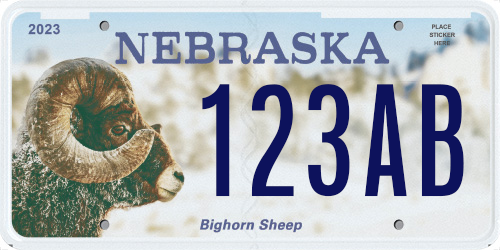
Passenger and truck classes: the front and rear mounts through the current cycle, the factory positions, the bumper and the grille bracket. Motorcycles: the rear mount, the single plate. Trailers: the class display positions, the rear rule. Dealer stock: the window permits, the in-transit display.
The hardware runs on the plate slots. The bolts seat through the plate, the zip ties and the adhesives fail the secure-mount read, and the swing test at the push answers the mount question in a second.
Visibility: The Twenty-Foot Read
Navigating the administrative rules and practical requirements for visibility: the twenty-foot read requires careful attention to both Nebraska Department of Motor Vehicles regulations and local County Treasurer practices. Whether you are managing personal vehicle compliance or handling complex multi-party automotive transactions, proper preparation is key to a seamless process. Review the essential guidelines, statutory criteria, and actionable recommendations detailed below.
The statutory standard asks for characters that read at twenty feet. That read holds in daylight and under the plate light at night alike. The tinted cover, the glare plastic, the faded print, the mud, and the frame edge each fail that distance test.
The read covers the full face. The characters, the stickers, the county name, the whole plate passes the twenty-foot test, and a partial read fails the statute the same as a hidden print.
The Plate Light and Night Display
Motor vehicle standards in Nebraska are codified under Nebraska Revised Statutes Chapter 60, establishing mandatory operational criteria for every vehicle on public roadways. Both state administrative directives and local county enforcement operate under these statutory mandates to maintain statewide public safety and vehicle identification integrity. The core legal rules and statutory obligations governing this area include.
Every class carries a factory plate light, the white fixture that illuminates the rear plate. The law expects the plate to read at night the same as day, and that light answers the read. A burned bulb or a tinted lens leaves a dark plate, and a dark plate draws the display citation at a night stop.
The bulb swap runs minutes and costs pennies. The night check in the driveway, the walk to the rear, the read of the lit plate, keeps the display statute satisfied through the dark half of the calendar.
Stickers, County Names, and the Full Face
Navigating the administrative rules and practical requirements for stickers, county names, and the full face requires careful attention to both Nebraska Department of Motor Vehicles regulations and local County Treasurer practices. Whether you are managing personal vehicle compliance or handling complex multi-party automotive transactions, proper preparation is key to a seamless process. Review the essential guidelines, statutory criteria, and actionable recommendations detailed below.
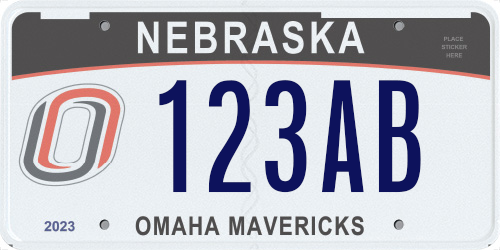
Validation stickers showing the month and year sit on the rear plate’s lower corner, plainly visible with the characters. The standard issue also carries the county name, and the face reads whole. Specialty designs swap in artwork, but the artwork never replaces the display duty, the same four demands run on the program plates.
The frame that hides the sticker fails the statute. The cover that dims the county name fails the same, and the twenty-foot read answers every frame and cover question in one test.
Display Checks Before the Driveway
Motor vehicle standards in Nebraska are codified under Nebraska Revised Statutes Chapter 60, establishing mandatory operational criteria for every vehicle on public roadways. Both state administrative directives and local county enforcement operate under these statutory mandates to maintain statewide public safety and vehicle identification integrity. The core legal rules and statutory obligations governing this area include.
Walk the car front and rear, checking the upright read and pushing the mounts. Step back twenty feet for the character and sticker read. Run the night check to confirm the lit plate under white light. Finish with the hardware: bolts snug, the swing test clean, the plate firm.
The seasons move the checks. The swing test after the first freeze, the readability test after the brine week, the bolt check each spring, and the display statute stays satisfied year-round.
The Display Checklist: Print and Keep
Before appearing in person at your local County Treasurer’s office or submitting automotive applications by mail, you must assemble complete, legally binding documentation. Nebraska administrative law requires original certificates and state-approved application forms to establish clear legal ownership and statutory eligibility. Ensure you bring the mandatory documents and credentials listed below.
Run the upright check: plate vertical, characters outward, plane square. The distance check covers the twenty-foot read on the characters, the stickers, and the county name. Look for obstructions: tint, frame edge, grime, cover. The mount check pairs snug bolts with the swing test at the push. Close with the light check, the night walk under the white lightead.
The checklist runs thirty seconds. The five checks answer the four statute demands, the upright, the visible, the unobstructed, the secure, with the light that carries the night half.
Class-by-Class Display Table
Total financial obligations for class-by-class display table are governed by standardized statutory schedules set forth under Chapter 60 and Chapter 77 of the Nebraska Revised Statutes. Fees are collected directly by your local County Treasurer and comprise multiple distinct lines, including state motor vehicle taxes based on age and MSRP, county administrative charges, and local municipal wheel taxes where applicable. The essential fee classifications and payment structures are broken down as follows.
Passenger cars: the front and rear through the current cycle, the factory mounts, the pair retires at the 2029 reissue. Pickups and SUVs: the same pair on the truck classes. Motorcycles: the single rear, the small face, the same read. Trailers: the class positions, the rear rule. Dealer stock: the rear window permit, the driver side, the printed authority.
The specialty plates run the same table. The artwork never moves the display duty, and the four demands read on the program faces the same as the standard county-coded issue.
The Winter Display Season
Motor vehicle standards in Nebraska are codified under Nebraska Revised Statutes Chapter 60, establishing mandatory operational criteria for every vehicle on public roadways. Both state administrative directives and local county enforcement operate under these statutory mandates to maintain statewide public safety and vehicle identification integrity. The core legal rules and statutory obligations governing this area include.
A brine week dims the print until the readability test fails on the road salt. Freeze-thaw cycles loosen the bracket, and the swing test catches it in time. Slush covers the light lens, and the night read darkens with it.
The seasonal checks run on the calendar. The swing test after the first freeze, the readability after the first brine week, the light check each snowfall, and the display statute stays answered through the season.
The Custom Mount and the Statute
Motor vehicle standards in Nebraska are codified under Nebraska Revised Statutes Chapter 60, establishing mandatory operational criteria for every vehicle on public roadways. Both state administrative directives and local county enforcement operate under these statutory mandates to maintain statewide public safety and vehicle identification integrity. The core legal rules and statutory obligations governing this area include.
The custom bracket: the aftermarket mount that moves the plate, the upright and visible demands run the same. On a show build with the relocated tag, the display rules never bend for the look. At the inspection, the county and the patrol run the four demands whatever the mount cost.
The factory position serves the statute by design. The custom mount serves it by test, and the twenty-foot read decides the custom the same way it decides the tinted cover.
The Trailer Tow: The Rear Read
The tow runs its own display questions. The trailer plate sits in the rear position the class rule sets, the tow wire serves the light, and the mud flap guards the read at the angle. The combination carries the tractor’s front and rear pair plus the trailer’s rear tag. An obscured trailer plate reads as a display violation at the stop.
The tow never hides the read. The trailer plate runs the twenty-foot test, and the light the wire serves passes the stop the dark plate writes.
The Classic Car: The Antique Plate
The old iron follows the modern rule. The antique class serves the historic plate, and the age schedule sets the eligibility. The display demands stay the same four: the upright face, the visible read, the unobstructed print, the secure mount. The show season runs the trailer to the event, and the plate the law requires still serves the road miles.
The antique never runs a display pass. The four demands read the same on the historic class, and a stop on the antique plate writes the citation the same class serves.
The Fleet Dispatch: The Commercial Read
The commercial class runs the display on the same statute. The trucks carry the pair on the class cycle, the mounts sit where the DOT bumper serves them, and the fleet wash keeps the mud off the read. The apportioned plates serve the interstate class under the IRP registration, and the display statute reads the same on the road. The roadside inspection serves the level the officer runs, and the plate read opens it.
The commercial display never reads a pass the commuter car lacks. The statute runs the same four demands on the fleet, and the wash the schedule serves keeps the read the roadside inspection needs.
The Display Rule in One Paragraph
The rule runs four demands on every plate in the state. The face sits upright, the characters read plainly at twenty feet, nothing stands between the eye and the print, and the mount holds the plate secure. The light serves the night read, the stickers serve with the characters, and the county name reads on the full face.
The four demands answer every display question. The monthly thirty-second walk serves the statute, and the citation class never finds the record.
The Display Fixes That Cost Nothing
Ensuring your Nebraska license plates comply with state traffic laws requires minimal effort and zero financial investment. Regularly wiping winter road salt and mud from your plates, tightening mounting screws to prevent loose flapping, and ensuring your rear license plate light bulb illuminates the numbers at night will keep your vehicle fully compliant with Nebraska Revised Statute Section 60-399 and eliminate reasons for law enforcement stops.
The fixes run in the driveway. The twenty-foot walk tests the result, and the plate the minutes serve passes the stop the schedule writes.
The Display Questions Drivers Ask First
The five display questions, answered. Does the plate need a light? Yes, the white light serves the night read. Can the plate sit in the window? No, the exterior mount the statute demands, the interior placements fail. Does the frame rule cover the sticker? Yes, the sticker reads with the characters. How faded is too faded? The twenty-foot read decides, the same test at the stop. Does the swing matter? Yes, the loose mount fails the secure demand.
The five answers serve the monthly check. The thirty-second walk answers the statute, and the display citation never finds the car.
The Display Walk: The Final Habit
Developing a quick 30-second pre-trip inspection routine around your vehicle protects you from unexpected equipment citations on Nebraska roadways. Check that both front and rear plates remain upright and securely attached, confirm that validation month and year stickers are affixed to the proper corners without peeling, and verify that license plate frames do not obscure the state name or county prefix code.
The walk the habit builds answers the statute the stop asks. The plate the walk passes reads plainly at twenty feet, the light the lens serves reads the night, and the mount the push tests holds the plate the road shakes. The habit the month serves costs nothing, and the citation the walk prevents costs the class the schedule prints.
One Last Read on the Display
Nebraska’s plate display statutes require clear visibility, secure mounting, and unobstructed retroreflective surfaces at all times. By maintaining upright plates, keeping mounting frames clear of vital lettering, and ensuring nighttime plate illumination, motorists ensure trouble-free travels across all 93 Nebraska counties while staying fully aligned with state traffic standards.
The walk the month serves keeps the citation off the record, and the fix the driveway takes beats the stop the highway writes. The plate the habit serves reads clean the year round, and the statute the walk answers never finds the car short.
Key Points: Nebraska Display Rules at a Glance
Understanding the core statutory rules governing Nebraska Plate Display Requirements in Nebraska ensures your automotive filings clear state verification without unnecessary delays or counter rejections. Whether you are completing paperwork at your local county treasurer’s counter or checking current compliance across state roadways, keep these fundamental legal requirements in mind.
Four demands: the upright face, the twenty-foot read, the unobstructed print, the secure mount.
Light: the white plate light serves the night read, the statute runs it.
Mount: the exterior mount only, the window placements fail.
Sticker: the validation print reads with the characters, the frame stays off it.
Faded: the same twenty-foot test the grime runs, the fresh print cures.
Swing: the loose mount fails the secure demand, the bolt check serves.
Covers: Section 60-3,99 reads the tint and the glare the same.
Habit: the monthly thirty-second walk around the car answers the statute.
The eight lines serve the daily read. The four demands cover every plate class in the state, the light and the mount carry the night, and the sticker reads with the characters the frame guards. The walk the month serves catches the grime, the swing, and the faded print before the stop does, and the fixes the driveway takes cost nothing the citation class writes.
The Display Demand Table
Total financial obligations for the display demand table are governed by standardized statutory schedules set forth under Chapter 60 and Chapter 77 of the Nebraska Revised Statutes. Fees are collected directly by your local County Treasurer and comprise multiple distinct lines, including state motor vehicle taxes based on age and MSRP, county administrative charges, and local municipal wheel taxes where applicable. The essential fee classifications and payment structures are broken down as follows.
| Demand | Test | Common fail |
|---|---|---|
| Upright | Vertical face, characters out | Tilted mount, bent plate |
| Plainly visible | Twenty-foot read, day and lit night | Tint, glare, faded print |
| Unobstructed | Nothing between eye and print | Frame edge, cover, grime |
| Securely mounted | Bolts seated, no swing | Zip ties, adhesives, loose bracket |
The closing read on the display rule is the walk that answers the statute. The four demands run on every class in the state, the light and the mount carry the night and the washboard miles, and the sticker reads with the characters the frame guards. The monthly walk around the car catches the grime, the swing, and the fade before the stop does, and the fixes the driveway serves cost a rag, a wrench turn, and thirty seconds. The window mount fails the statute no matter how clean the plate reads, the covers fail the same section the tint fails, and the plate the walk passes never meets the citation class the stop writes.
Frequently Asked Questions
Below are clear, factual answers to frequently asked questions regarding nebraska plate display requirements under Nebraska Revised Statutes and official county treasurer administrative guidelines. Whether you are navigating statutory filing deadlines, calculating applicable state and local motor vehicle taxes, or verifying required documentation before visiting your local county office, these concise answers explain the exact legal requirements and procedures that govern motor vehicle administration in Nebraska.
What are the plate display rules in Nebraska?
Section 60-3,99 writes four demands: upright, plainly visible, unobstructed, properly mounted. The characters read at twenty feet, day and lit night. The stickers and the county name pass the same read, and the four demands run on every class, standard, specialty, and message.
Does Nebraska require a plate light?
Yes. The white plate light illuminates the rear plate, and the night read runs the same twenty-foot standard as day. A burned bulb or a dark plate draws the display citation at a night stop. The bulb swap runs minutes, and the driveway night check catches it.
How high should a license plate be mounted in Nebraska?
The statute runs the upright plane, not a height number. The plate sits vertical on the factory mount, the position the manufacturer built for the class. The custom relocations answer the same four demands, upright, visible, unobstructed, secure, whatever the height.
Can my plate frame cover the stickers in Nebraska?
No, Nebraska Revised Statute Section 60-399 explicitly prohibits any license plate frame, bracket, or mounting accessory from covering or partially obscuring the validation month and year decals, the state name, or the county numerical prefix. Any frame that covers these required statutory markings can result in immediate traffic stops and equipment citations.
Do motorcycles follow the same display rules in Nebraska?
Nebraska motorcycles follow the same fundamental visibility and mounting mandates as passenger vehicles, with the statutory exception that motorcycles are issued and required to display only a single metal plate mounted on the rear. The plate must remain upright, unobstructed, and illuminated by a dedicated white rear lamp at night.
What fails the plate display check in Nebraska?
The tinted cover, the frame on the print, the faded characters, the mud, the burned plate light, the zip-tie mount, the swing at speed. Each fails a demand of Section 60-3,99, and the citation class runs the same schedule whatever the failing demand.