
Nebraska drivers must follow two clear plate rules on the road. You must mount your plates where state law requires. You must keep your tags current with your county treasurer. Under state law Section 60-3,100, most passenger cars carry two metal plates. One sits on the front bumper. One sits on the rear bumper. Section 60-399 sets the mounting rules. Your plates must sit upright. Keep them clean. Make them easy to read. Missing tags invite trouble. Missing tags give state troopers and county deputies a direct reason to pull you over. Don’t risk a ticket. Plan ahead.
Big changes are coming for Nebraska bumpers. State lawmakers passed Legislative Bill 97 in April 2025. Starting with the 2029 plate issue, Nebraska moves to a single rear plate. You won’t need a front plate once that new cycle starts. Until that date arrives, the two-plate rule stays active across all ninety-three counties. Here is what every driver needs to know about current display rules, court rulings, and county fees.
What Nebraska Plate Rules Require Today
Every standard car, truck, and van in Nebraska must follow state display laws. If you recently bought a vehicle with chronic defects, state lemon statutes grant legal recourse under Nebraska lemon law. For everyday driving, you must keep valid tags on your car at all times. County clerks hand you two matching metal tags when you register your vehicle.
- You must mount two plates on standard passenger cars, one in front and one in back.
- You must bolt plates upright in the spot the factory built for them.
- You must keep numbers, letters, and renewal stickers clean and fully readable.
- You must secure the metal tags tightly so they do not swing or drag.
Some vehicles do not follow the two-plate rule. Motorcycles carry only one rear plate. Travel trailers, utility haulers, and commercial semitrailers display one rear tag. Dealership vehicles run on paper window permits until sale day. If your car lacks a factory front bracket, state rules allowed a small windshield sticker. That temporary fix goes away once single rear plates arrive in 2029. It’s that simple. No exceptions.
The Front Plate Rule and Legislative Bill 97
Nebraska has required two plates for many decades. Troopers stop cars when a plate sits on a dashboard, behind the sun visor, or inside the windshield glass. State judges regularly uphold these traffic stops. A plate must stay outside on the bumper where road cameras and officers can see it clearly.
Legislative Bill 97 changes state highway customs. State senators approved the bill with a unanimous 46-0 vote. Starting with the 2029 plate renewal cycle, county treasurers will issue only one rear plate for standard passenger cars, leaving drivers free from the duty of mounting two separate metal tags across state highways. Drivers won’t receive a front plate. The table below shows what changes once the new tags arrive. Review it closely.
| Driving Rule | Before the 2029 Cycle | 2029 Cycle and Beyond |
|---|---|---|
| Front bumper plate | Required on standard cars | No longer issued or required |
| Rear bumper plate | Required on all vehicles | Required on all vehicles |
| Multiyear registration | Not offered to passenger cars | Available for eligible vehicles |
| Windshield exemption sticker | Available for cars without brackets | Phased out completely |
State senators saw that front plate stops rarely linked to dangerous driving. Many new sports cars and electric models arrive from factory floors with smooth front ends. Drilling fresh holes into clean bumpers frustrated drivers across the state. Dropping the front tag saves state tax dollars on plate metal, plus it gives daily drivers fewer physical pieces to lose along rough gravel county roads across the state. Don’t pull off your front plate today. The single-plate rule only takes effect as your vehicle reaches its 2029 renewal month.
Traffic Citations and Display Infractions
Patrol officers check plates during routine road monitoring. If you notice reckless motorists threatening highway safety, you can easily report an unsafe driver to state patrol dispatchers. For license plate infractions, citations split into three groups.
- Display infractions include a missing front tag, a bent plate, or a loose bracket.
- Registration infractions include expired validation stickers or driving an unregistered car.
- Stacked infractions happen when a driver runs expired tags behind a dark plastic shield.
County judges look at plain facts during court hearings. Did the officer have a clear view of the characters from thirty feet away? If road dirt, thick plastic, or tow hitches block the numbers, the ticket stands. Fixing the bracket after the stop helps with future driving, but it rarely wipes out an existing fine.
County Clerks and Daily Plate Rules
Nebraska handles plate registration through local county treasurer offices rather than state-run branch offices. Under Section 60-3,141, your local county official manages titles, registrations, and vehicle tax payments. This local county office oversees paperwork when landowners need to claim an abandoned vehicle left on private ground.
Here is how your home county shapes your plate experience:
- You register your car in the county where you keep it parked most nights.
- You visit your county treasurer desk to pay annual taxes and pick up fresh renewal stickers.
- You return damaged or unneeded plates to that same county desk.
Nebraska plates feature a county number prefix. The state created this system in 1922 to identify vehicles by population size. Douglas County uses prefix 1. Lancaster County uses prefix 2. Sarpy County uses prefix 59. When the 2029 single plate starts, county numbers stay right on the metal.
Official Plate Fees Set by State Code
Nebraska statutes fix base plate costs across every county. When you register a passenger vehicle at your county office, you pay small manufacturing fees, local administrative charges, and annual motor vehicle taxes based on factory pricing charts. These funds repair county bridges and local roads across the state.
| Fee Item | Statutory Amount | Governing Statute |
|---|---|---|
| Plate production fee | $4.10 per plate | Section 60-3,102 |
| County registration fee | $1.50 per vehicle | Section 60-3,141 |
| Custom message plate fee | $40.00 annual fee | State message plate fund |
| Motor vehicle tax | Varies by car age and MSRP | County tax schedule |
The state charges $4.10 for each physical plate stamped at state shops. When you buy two plates today, you pay $8.20. Moving to a single plate in 2029 cuts that metal fee down to $4.10 for standard drivers. Waiting past your thirty-day purchase window adds late fees and unpaid tax interest. Register your car quickly to keep total costs low. It saves money. Do not delay.
Specialty Tags and Custom Vanity Plates
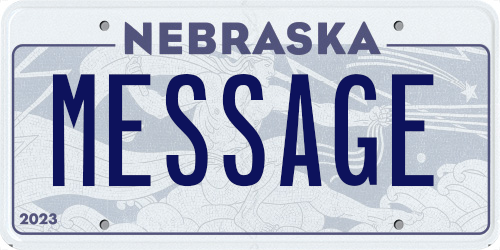
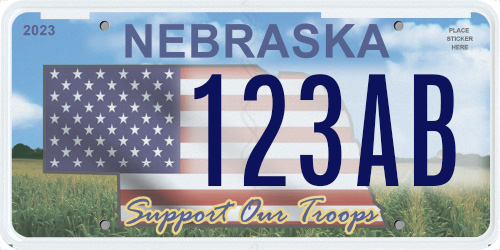
State rules let Nebraska motorists choose custom letters or specialty backgrounds. You can order vanity message plates through the state DMV website. You can pick cause plates that support military families, cancer research, or wildlife habitats. County treasurers stock standard plates on-site, but custom plates take several weeks to manufacture and ship.
- Custom message plates cost $40 per year above standard registration fees.
- Specialty cause plates fund state trusts and local programs across Nebraska.
- Douglas, Lancaster, and Sarpy counties offer local county message plates.
You must follow the exact same mounting laws with specialty plates. A decorative background does not excuse tinted covers or missing bolts. Keep your specialty tags clean. Keep them lit at night. Check them often.
Temporary Window Tags and the 30-Day Window
Buying a car in Nebraska gives you a 30-day grace period to finish paperwork. Under Section 60-376, you may drive legally as you wait for your vehicle title and registration receipts. You must keep legal purchase paperwork inside the car at all times.
- Car dealerships issue a 30-day paper permit for your rear driver-side window.
- Private car buyers receive a temporary permit from the county treasurer desk.
- Out-of-state buyers can purchase a 30-day transport permit to drive home.
Don’t let your 30 days slip away. If paperwork delays slow down your title, contact your county treasurer right away. Driving on an expired paper tag brings the same traffic ticket as driving without any registration. Stay legal.
Court Decisions on Plate Visibility and Covers
Nebraska judges hold a firm stance on license plate visibility. State traffic statutes give patrol officers full authority to pull over vehicles with hard-to-read tags since highway cameras and patrol cruisers must confirm vehicle credentials quickly during day or night driving. Officers do not need to witness speeding or erratic lane changes. An obstructed tag gives full legal grounds for a road stop.
- Mounting a plate inside your front windshield brings a valid traffic stop.
- Resting a plate on the dashboard or tucking it into a sun visor breaks the law.
- Smoked or tinted plate covers violate state visibility rules in all counties.
- Thick dealer frames that cover county numbers or renewal stickers draw tickets.
Clear plastic shields are legal only if they stay totally clean and transparent. If sun glare, road grime, or scratches blur the numbers, an officer can write a ticket. A quick walk around your car each month helps you spot cracked frames or loose screws. Fix them fast.
Privacy Safeguards and Vehicle Plate Lookups
Traffic cameras, automated plate scanners, and toll sensors scan Nebraska roads daily. Private citizens cannot use a plate number to find your personal home address or phone number. Federal and state privacy laws shield vehicle owners from unwanted searches.
The federal Driver Privacy Protection Act keeps driver records private. Only courts, insurance adjusters, tow operators, and police investigators can view owner records for official duties. When a private buyer checks a license plate online, they see vehicle history facts. They can verify the make, model, title status, and past accidents. They can’t see who owns the car or where that driver lives.
Roadside Steps During an Equipment Stop
Getting pulled over for a license plate issue can feel stressful. Staying calm and courteous helps the stop go smoothly. Police officers follow standard safety routines whenever they pull over a vehicle on city streets or county highways.
- Pull over safely to the right shoulder and switch on your hazard flashers.
- Keep your hands on the steering wheel until the officer walks up to your window.
- Hand over your driver license, vehicle registration slip, and proof of insurance.
- Listen quietly as the officer explains what display problem caused the stop.
Officers often issue a fix-it warning for a loose screw or a dirty plate. They write tickets for expired tags or missing plates. If you receive a fix-it notice, repair the bracket quickly. Snap a clear photo of the fixed plate to show the county court clerk. That protects your wallet.
Transferring or Surrendering Old Metal Plates
Nebraska plates belong to the vehicle owner, not the car itself. When you sell your old car and buy another, you can transfer your current plates to the replacement vehicle. Your county treasurer updates the computer records and transfers your remaining registration credit. Plates do not move between different vehicle classes. You can’t move a pickup plate to a motorcycle.
If you sell a car without buying a replacement, return the old metal plates to your county treasurer. Surrendering old plates cancels your registration record cleanly. It stops anyone from using your old tags on an unregistered vehicle. If someone puts your discarded plates on another car, traffic tickets could trace back to your name. Turn them in.
What to Do If Someone Steals Your Plates
A stolen plate creates immediate headaches for a car owner. Criminals use stolen tags to hide stolen cars, skip tolls, or run red lights. Act quickly if you notice a missing tag on your bumper.
- Call your local police department or county sheriff right away to file an official theft report.
- Save the police case report number as proof that your plates went missing without your consent.
- Visit your county treasurer office with the police report to request replacement plates.
- Pay the small $4.10 per-plate replacement fee to get fresh metal tags for your car.
Your police report shields you if a traffic camera snaps the stolen plate on a speeding vehicle. The official report date proves you no longer had the metal tag when the infraction happened.
Frequently Asked Questions
Nebraska motorists often have practical questions about plate laws and court fines. Here are direct answers to common questions about front plates, tinted covers, and the upcoming 2029 rules.
Does Nebraska require a front license plate?
Yes, standard passenger vehicles must display both a front and rear plate today. Under Section 60-3,100, cars must carry two upright and visible plates. In April 2025, lawmakers passed Legislative Bill 97 with a 46-0 vote. Starting with the 2029 plate cycle, Nebraska switches to a single rear plate.
Can you get pulled over for a license plate cover in Nebraska?
Yes, police officers can pull you over if a cover dims, tints, or blocks your plate numbers. Section 60-399 demands clear visibility from outside the car. Clear protective frames are fine if numbers and stickers stay easy to read.
How much is the fine for no front license plate in Nebraska?
Fines for a missing front plate run between $25 and $100 depending on the county court schedule. Court costs add another $45 to $50 to your total ticket cost. Mounting the missing plate fixes future stops but does not erase an existing ticket.
When does Nebraska switch to one license plate?
Nebraska begins issuing single rear plates during the 2029 plate reissue cycle. Lawmakers created this timeline under Legislative Bill 97. Drivers must keep both plates mounted until their vehicle completes its 2029 renewal.
Do motorcycles need two plates in Nebraska?
No, motorcycles in Nebraska carry only one plate mounted on the rear fender. Utility trailers and semitrailers carry a single rear plate under state motor vehicle statutes.