A Nebraska private car sale runs on the title assignment, the signature block that moves ownership, and the paperwork around it keeps both sides safe. The seller signs right, keeps the plates, files the notice, and the record closes clean. The buyer files inside 30 days, and the transfer chain stays unbroken.
This page covers the seller checklist, the title signing rules that fail at the county, the bill of sale and the trail it builds, the plate rules at a sale, the buyer window that protects the seller, and the payment safety steps at a stranger transaction.
The Seller Checklist Before the Money Moves
Before appearing in person at your local County Treasurer’s office or submitting automotive applications by mail, you must assemble complete, legally binding documentation. Nebraska administrative law requires original certificates and state-approved application forms to establish clear legal ownership and statutory eligibility. Ensure you bring the mandatory documents and credentials listed below.
Before anything else, clear the lien: a title with an open payoff never transfers clean, so the release has to come first. Pull the county record printout as ownership proof for the sale. Titles under ten years old carry the federal odometer statement. Draft the bill of sale with the date, price, parties, and VIN, and plan on the plate pair staying with you as the seller, coming off at the exchange.
The checklist protects the seller twice. The clean papers close the record, and the filed notice ends the seller’s exposure to whatever the buyer does on the road after the sale.
Signing the Title the Right Way
Navigating the administrative rules and practical requirements for signing the title the right way requires careful attention to both Nebraska Department of Motor Vehicles regulations and local County Treasurer practices. Whether you are managing personal vehicle compliance or handling complex multi-party automotive transactions, proper preparation is key to a seamless process. Review the essential guidelines, statutory criteria, and actionable recommendations detailed below.

Every named owner has to sign, because a title with two names needs two signatures and a missing signer freezes the filing. Sign in the seller block on the assignment, exactly on the printed line. Skip the white-out and the side additions, since the county routes corrections its own way and an altered assignment rejects at the window. Print the purchaser’s name and address in the buyer section exactly as shown where the form calls.
Where the title carries a notary block, the Nebraska assignment runs through the notary, and the counter answers each case on the paper in front of it. For the lien release, the holder signs the title face and the payoff letter files with the set.
The Bill of Sale and the Paper Trail
Navigating the administrative rules and practical requirements for the bill of sale and the paper trail requires careful attention to both Nebraska Department of Motor Vehicles regulations and local County Treasurer practices. Whether you are managing personal vehicle compliance or handling complex multi-party automotive transactions, proper preparation is key to a seamless process. Review the essential guidelines, statutory criteria, and actionable recommendations detailed below.
A complete bill of sale carries the date, the price, both parties’ names and addresses, the VIN, the odometer reading, and the signatures. Make two copies, one for the buyer’s county filing and one for the seller’s file. The price sets the buyer’s sales-tax line, the date starts the buyer’s 30-day filing clock, and the paper trail answers every question that surfaces after a sale.
Nebraska runs no universal bill-of-sale form. The handwritten sheet carries the contents, the signatures, and the date, and the county accepts the paper with the set at the filing.
What Happens to Your Plates
Navigating the administrative rules and practical requirements for what happens to your plates requires careful attention to both Nebraska Department of Motor Vehicles regulations and local County Treasurer practices. Whether you are managing personal vehicle compliance or handling complex multi-party automotive transactions, proper preparation is key to a seamless process. Review the essential guidelines, statutory criteria, and actionable recommendations detailed below.
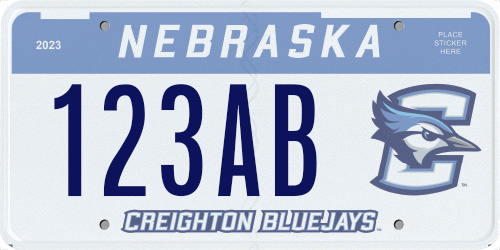
The plate pair comes off at the exchange, and the buyer drives away on the temp tag. From there you have two options: transfer the plates to a replacement vehicle of the same class through the treasurer, or surrender them at the counter. Either way, the registration closes on the sold vehicle and the plates tie to your file as the seller.
The specialty and message plates follow the owner, the program rules carry the designs to the next vehicle. The standard pair retires or moves, and the plate fee at 4 dollars 10 cents per plate under Section 60-3,102 runs where the new issue prints.
The Buyer’s 30-Day Window and Your Record
Before appearing in person at your local County Treasurer’s office or submitting automotive applications by mail, you must assemble complete, legally binding documentation. Nebraska administrative law requires original certificates and state-approved application forms to establish clear legal ownership and statutory eligibility. Ensure you bring the mandatory documents and credentials listed below.
Once the assignment is signed, the buyer has 30 days to file the title. Filing the sale notice closes the seller’s exposure, because toll runs, violations, and camera records after the sale date point at the buyer’s record instead. If the buyer never files, the dated notice protects you at the counter.
The notice runs at the county that holds the seller’s registration. The one-page filing, the bill of sale copy attached, the date on the record, and the exposure ends at the sale line.
Payment Safety at a Private Sale
Protecting your vehicle registration credentials and physical license plates against theft, tampering, or fraudulent duplication requires proactive physical security measures. Because vehicle tags and registration tabs are common targets for unauthorized acquisition by bad actors seeking to avoid vehicle taxes, preventative measures are essential. Implement the proven physical safeguards and best practices detailed below.
Meet in a daylight public lot, or use a police-station exchange zone where the department posts one. Take verified funds: a cashier’s check confirmed at the issuing bank, or cash counted and recorded on the spot. Sign the bill of sale at the exchange and release the title only when the money clears.
The scams read on the pattern: the overpayment refund trick, the fake escrow, the wire-then-ghost. The verified payment and the signed paper end the risk at the handshake.
The Sale Week: A Calendar Example
Nebraska vehicle administrative law strictly enforces statutory deadlines for registration renewals, title transfers, and temporary permit expirations. Failing to file within established state windows triggers automated statutory late fees and exposes motorists to unlawful operation citations under Nebraska Revised Statutes. Review the critical statutory timelines and filing deadlines outlined below.
Monday: the listing, the photos, the plate number blurred where the privacy rules run. Tuesday: the buyer visit, the test drive, the VIN at the windshield, the mechanic appointment booked. Wednesday: the payment verified, the cashier’s check confirmed at the issuing bank, the title signed, the bill of sale dated. Thursday: the seller notice files at the county, the plates come off, the record closes.
The buyer runs the same week: the plate search, the VIN check, the title pull at the county, the filing inside the 30-day window with the temp tag on the glass.
The Seller Fee Truth
Total financial obligations for the seller fee truth are governed by standardized statutory schedules set forth under Chapter 60 and Chapter 77 of the Nebraska Revised Statutes. Fees are collected directly by your local County Treasurer and comprise multiple distinct lines, including state motor vehicle taxes based on age and MSRP, county administrative charges, and local municipal wheel taxes where applicable. The essential fee classifications and payment structures are broken down as follows.
Signing the title costs the seller nothing, though the lien release can carry fees if the payoff ran through the lender. The county sale notice runs free or at a nominal charge on the local schedule. Transferring plates to a replacement vehicle runs the county transaction, while surrendering them costs nothing.
The buyer carries the stack: the title fee, the plate fee at 4 dollars 10 cents per plate, the county fee at 1 dollar 50 cents, the sales tax at 5.5 percent plus local on the bill of sale price, and the motor vehicle tax on the schedule.
The Notice That Ends the Exposure
Navigating the administrative rules and practical requirements for the notice that ends the exposure requires careful attention to both Nebraska Department of Motor Vehicles regulations and local County Treasurer practices. Whether you are managing personal vehicle compliance or handling complex multi-party automotive transactions, proper preparation is key to a seamless process. Review the essential guidelines, statutory criteria, and actionable recommendations detailed below.
File the sale report with the county and attach the bill of sale copy. Once it lands, toll runs, red-light cameras, and violations after the sale date all point at the buyer’s record instead of yours. If a dispute ever reaches the counter, the dated notice answers it on the filed paper.
The unfiled sale runs the risk. The buyer who never registers leaves the seller’s name on the record, and the parking tickets and the toll bills follow the paper until the notice lands.
Test Drives and Stranger Risk
Navigating the administrative rules and practical requirements for test drives and stranger risk requires careful attention to both Nebraska Department of Motor Vehicles regulations and local County Treasurer practices. Whether you are managing personal vehicle compliance or handling complex multi-party automotive transactions, proper preparation is key to a seamless process. Review the essential guidelines, statutory criteria, and actionable recommendations detailed below.
Ride along on the test drive and keep the keys in your sight the whole time. Stick to public streets and a short loop, skipping the highway where your insurance terms say so. Before the drive, check the buyer’s ID and keep a copy or a photo of the license.
The insurance reads the permissive use. The friend-of-a-friend test drive runs the owner’s policy, and the accident on the loop prices on the coverage the owner carries.
The Listing Week: The Price and the Paper
The listing runs on the record. The price reads the market, the VIN carries the listing, the buyer runs the history, and the record serves the price. The photos show the car, with the tags blurred where the privacy rules run, and the listing never prints a plate clean. The paper side locates the title, answers the lien status with the payoff letter, and reads the odometer for the statement.
A listing backed by the record closes faster. The priced-right car with the paper ready runs the week the calendar draws, and the buyer arrives with the money the verified payment takes.
The Buyer’s 30 Days: The Seller’s Patience
The filing window the buyer runs deserves a polite check. The clock starts on the assignment date, the window runs 30 days, and the temp tag displays through it. The seller’s stake closes at the filed notice, the dated paper that ends the exposure. A week-three reminder to the buyer serves the filing.
The window never runs the seller’s errand. The buyer files at the buyer’s county, the seller files the notice at the seller’s counter, and the two papers close the one sale from both ends.
The Out-of-State Buyer: The Exit Cases
The buyer the border serves runs a short window. The Iowa buyer drives the neighbor-state route, and the home filing runs the weekend after. A far buyer takes the non-resident 30-day plate the county issues, and the permit covers the drive home. The shipping case runs the transport carrier, the seller surrenders the plates, and the title travels by mail.
The sale the exit serves runs on the same paper either way. The assignment, the bill of sale, and the notice, the three signatures the transaction takes, hold whatever the buyer’s map shows.
The Private Sale in One Paragraph
The sale runs the paper chain. The seller signs the assignment with every named owner, the lien releases where the loan sits, the bill of sale dates the clock and prices the tax, the plates come off at the exchange, the verified payment lands, and the seller notice files at the county the same week.
The chain keeps both records clean. The buyer files inside 30 days on the temp tag, and the notice closes the seller’s exposure at the sale line.
The Sale Questions Sellers Ask First
The five seller questions, answered. Do I need a bill of sale? No statute demands one, but the date, the price, and the signatures serve every later question. Can I sell with a lien on the title? No, the release files first. Do I sign the title at the listing? At the exchange, the money and the signature together. What if the buyer never files? The notice dates the sale and closes your exposure. Do I keep the sticker? The plates come off with the sticker, the whole plate goes.
The five answers serve the handshake. The paper chain closes both records, and the notice the seller files ends the story at the sale line.
Key Points: Nebraska Private-Party Sales at a Glance
Understanding the core statutory rules governing Nebraska Private Car Sale Paperwork in Nebraska ensures your automotive filings clear state verification without unnecessary delays or counter rejections. Whether you are completing paperwork at your local county treasurer’s counter or checking current compliance across state roadways, keep these fundamental legal requirements in mind.
Signatures: every named owner signs the assignment, the paper the county takes.
Lien: the release files before the sale, the lender’s letter serves.
Bill of sale: no statute demands it, the date, the price, and the signatures serve.
Plates: the pair comes off at the exchange, the seller keeps them.
Payment: the verified funds the buyer brings, the cash-app screens and the cashier’s checks.
Seller notice: the filed notice dates the sale and closes the exposure.
Buyer window: 30 days on the temp tag, the county permit.
Odometer: the statement rides the titles under ten years old.
The eight lines close the handshake on paper. The assignment, the release, the bill of sale, and the notice run the seller side, and the temp tag and the filing window run the buyer side. The plates never ride the sale, the notice closes the seller’s story at the sale line, and the two records stay clean whatever the buyer’s county runs.
The Seller Cost Table
Total financial obligations for the seller cost table are governed by standardized statutory schedules set forth under Chapter 60 and Chapter 77 of the Nebraska Revised Statutes. Fees are collected directly by your local County Treasurer and comprise multiple distinct lines, including state motor vehicle taxes based on age and MSRP, county administrative charges, and local municipal wheel taxes where applicable. The essential fee classifications and payment structures are broken down as follows.
| Line | Seller pays | Buyer pays |
|---|---|---|
| Title signature | Nothing | Nothing |
| Seller notice filing | Free or nominal county charge | Nothing |
| Title fee | Nothing | County schedule |
| Plate fee | Nothing (plates transfer or surrender) | $4.10 per plate, Section 60-3,102 |
| Sales tax | Nothing | 5.5% plus local on price |
| Motor vehicle tax | Nothing | Schedule at registration |
The closing read on the private sale is the paper chain closing both records. The assignment, the lien release, the bill of sale, and the seller notice run the seller side in the week of the exchange, and the plates leave with the seller while the money leaves with the buyer. The buyer runs the 30-day window on the county temp tag, the filing at the buyer’s county closes the buyer side, and the notice at the seller’s counter closes the seller side. The sale the chain serves leaves no loose end for either record, the odometer statement rides the younger titles, and the verified payment closes the money question the same hour the signatures close the paper.
Frequently Asked Questions
Below are clear, factual answers to frequently asked questions regarding nebraska private car sale paperwork under Nebraska Revised Statutes and official county treasurer administrative guidelines. Whether you are navigating statutory filing deadlines, calculating applicable state and local motor vehicle taxes, or verifying required documentation before visiting your local county office, these concise answers explain the exact legal requirements and procedures that govern motor vehicle administration in Nebraska.
How do I sell a car privately in Nebraska?
Sign the title assignment with every named owner, keep the plates, draft the bill of sale with the date, price, names, and VIN, take the verified payment, and file the seller notice at the county. The buyer files the title inside 30 days, and the notice closes your exposure to the buyer’s road record.
Do I keep my plates when I sell my car in Nebraska?
Yes, the plates stay with the seller. Remove the pair at the exchange, transfer them to a replacement vehicle of the same class through the treasurer, or surrender them at the counter. The buyer drives on a temp tag, and the plate fee runs 4 dollars 10 cents per plate where a new issue prints.
What paperwork do I need to sell a car in Nebraska?
The title with every named owner signed, the lien release where the old loan sits on the face, the odometer statement on the titles under ten years old, and the bill of sale with the date, price, names, addresses, and VIN. The buyer carries the set to the county inside 30 days.
How do I protect myself after selling a car in Nebraska?
File the seller notice at the county that holds your registration, the bill of sale copy attached. The notice dates the sale and closes your exposure to toll runs, violations, and camera tickets on the sold vehicle. A buyer who never files shows the notice at the counter, and your record stays clean.
Can I sell a car in Nebraska with a loan on it?
The lien releases first. Pay the loan off, the holder signs the release on the title face, the payoff letter files with the sale set. A title with an open lien never transfers clean at the county. The lender route, the payoff and the mail time, runs inside the sale window.
Who pays sales tax on a private car sale in Nebraska?
The buyer is entirely responsible for paying Nebraska state and local motor vehicle sales taxes. The tax is calculated based on the agreed purchase price documented on the bill of sale and is collected directly by the county treasurer when the buyer files for title transfer and initial registration within 30 days of purchase.