Out-of-state vehicle registration in Nebraska runs on two paths that never cross: the resident import, a vehicle moving in with its owner, and the non-resident exit, an out-of-state buyer driving a Nebraska purchase home. Each path carries its own document set, its own tax route, and its own plate.
This page covers both paths end to end, the resident import with the title surrender and the use tax credits, the non-resident 30-day plate the county issues at the sale, the VIN inspection cases, and the military, student, and snowbird rules that pause the clock.
Two Paths: Resident Import and Non-Resident Exit
Successfully completing the legal and administrative requirements for two paths: resident import and non-resident exit requires a structured, step-by-step approach coordinated between state DMV requirements and county processing counters. Following the verified statutory sequence ensures your application, certificate of title, and registration tags are validated without administrative rejection. Proceed through each procedural stage in the exact order detailed below.
Resident import: I moved to Nebraska, and my vehicle comes with me. The registration files at the situs county inside the 30-day window. Non-resident exit: I bought a vehicle in Nebraska, and I drive it to my home state. The county issues the 30-day plate, and the home state registers it on arrival.
The paths share the treasurer counter and nothing else. The document sets differ, the tax routes differ, and the plates differ, the Nebraska issue on the import, the temporary authority on the exit.
The Resident Import: Title, Tax, Plates
Total financial obligations for the resident import: title, tax, plates are governed by standardized statutory schedules set forth under Chapter 60 and Chapter 77 of the Nebraska Revised Statutes. Fees are collected directly by your local County Treasurer and comprise multiple distinct lines, including state motor vehicle taxes based on age and MSRP, county administrative charges, and local municipal wheel taxes where applicable. The essential fee classifications and payment structures are broken down as follows.
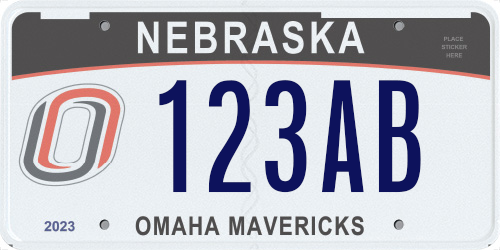
Surrender the out-of-state title: the assigned original, or the lien route through the lender. Pay the stack: the plate fee at 4 dollars 10 cents per plate under Section 60-3,102, the county fee at 1 dollar 50 cents under Section 60-3,141, the title fee, the motor vehicle tax, and the use tax with credits. Take the Nebraska plates: the standard issue, or the specialty and message applications with their premiums.
The Nebraska title prints with the record. The insurance moves to a Nebraska carrier, the electronic check runs at the filing, and the staggered renewal month keys to the owner surname.
The Non-Resident 30-Day Plate
Navigating the administrative rules and practical requirements for the non-resident 30-day plate requires careful attention to both Nebraska Department of Motor Vehicles regulations and local County Treasurer practices. Whether you are managing personal vehicle compliance or handling complex multi-party automotive transactions, proper preparation is key to a seamless process. Review the essential guidelines, statutory criteria, and actionable recommendations detailed below.
A buyer resident in another state who purchased a Nebraska vehicle qualifies. The document set is the title or the manufacturer certificate, properly assigned and showing the home-state address. What issues is the plate with the temporary registration, showing owner name, vehicle description, and the Nebraska purchase location. The clock: 30 days, the drive home, not local circulation, the home state registers on arrival.
The plate displays in the rear window, driver side, the same display rule the dealer tag carries. The 30 days run hard, and the home state filing closes the authority.
Use Tax and the Credit for Taxes Paid Elsewhere
Total financial obligations for use tax and the credit for taxes paid elsewhere are governed by standardized statutory schedules set forth under Chapter 60 and Chapter 77 of the Nebraska Revised Statutes. Fees are collected directly by your local County Treasurer and comprise multiple distinct lines, including state motor vehicle taxes based on age and MSRP, county administrative charges, and local municipal wheel taxes where applicable. The essential fee classifications and payment structures are broken down as follows.
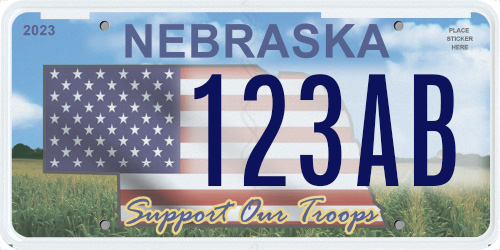
Nebraska applies its use tax rules to out-of-state purchases, 5.5 percent state plus local additions on the price. Tax already paid to the old state offsets the charge, and the counter runs the math on the paperwork. The title fee follows the county-collected charge on the Nebraska title, separate from the tax lines.
The credit covers the state portion of the paid tax. The local additions run on the Nebraska schedule, and a vehicle taxed at a lower old-state rate pays the difference into the Nebraska stack.
VIN Inspection on Imported Vehicles
Navigating the administrative rules and practical requirements for vin inspection on imported vehicles requires careful attention to both Nebraska Department of Motor Vehicles regulations and local County Treasurer practices. Whether you are managing personal vehicle compliance or handling complex multi-party automotive transactions, proper preparation is key to a seamless process. Review the essential guidelines, statutory criteria, and actionable recommendations detailed below.
A flagged case shows an unclear title history, certain out-of-state entries, or assignments the record questions. A clean case shows the matching late-model title or the dealer stock with the manufacturer certificate. The check itself reads the stamped frame number against the paper, run by the sheriff at the approved sites for the fee on the county schedule.
The inspection catches the rebuilt and the cloned before the record opens. A mismatch stops the transaction at the counter, and the title question routes to the Driver and Vehicle Records desk at 402-471-3918.
Military, Student, and Snowbird Exceptions
Navigating the administrative rules and practical requirements for military, student, and snowbird exceptions requires careful attention to both Nebraska Department of Motor Vehicles regulations and local County Treasurer practices. Whether you are managing personal vehicle compliance or handling complex multi-party automotive transactions, proper preparation is key to a seamless process. Review the essential guidelines, statutory criteria, and actionable recommendations detailed below.
Military: the stationed service member keeps the home-of-record registration, the federal rule, and the Nebraska registration runs optional under the state provision. Students: the out-of-state student keeps the home registration while enrolled. Snowbirds: the seasonal resident runs the domicile rules, the state of the permanent address governs.
The exceptions carry their own limits. A military member who takes Nebraska employment off-base or a student who stays past enrollment re-enters the 30-day window, and the counter runs the case on the details.
Two Examples: The Import and the Exit
The import example: the Colorado SUV moving to Omaha. The title surrenders, the use tax credits the Denver payment, the stack runs the plate fee at 8 dollars 20 cents the pair, the county fee, the title fee, and the motor vehicle tax on the schedule. The plates print the same day at the Douglas counter.
Take the exit example: the Florida buyer on a Grand Island sedan. The assigned title shows the home address, the Hall County treasurer issues the 30-day plate, and the drive home runs the window. The Florida registration closes the authority on arrival, and the plate retires.
The two examples share the counter and nothing else, the import a Nebraska registration, the exit a Florida one, the same window serving both.
The Exceptions List in Detail
Navigating the administrative rules and practical requirements for the exceptions list in detail requires careful attention to both Nebraska Department of Motor Vehicles regulations and local County Treasurer practices. Whether you are managing personal vehicle compliance or handling complex multi-party automotive transactions, proper preparation is key to a seamless process. Review the essential guidelines, statutory criteria, and actionable recommendations detailed below.
Military: the stationed member keeps the home registration under the federal rule, the Nebraska registration optional under the state provision, and the off-base job re-enters the window. Students: the enrollment carries the home registration, the semester the clock runs on. Snowbirds: the domicile rules, the permanent address governs, and the Nebraska months never establish the residence alone.
The exceptions never guess. The orders, the enrollment, the domicile details answer the case at the counter, and the record runs on the listed class.
The Drive-Home Rules for the Exit Plate
Motor vehicle standards in Nebraska are codified under Nebraska Revised Statutes Chapter 60, establishing mandatory operational criteria for every vehicle on public roadways. Both state administrative directives and local county enforcement operate under these statutory mandates to maintain statewide public safety and vehicle identification integrity. The core legal rules and statutory obligations governing this area include.
Display the tag on the rear window, driver side, fully visible and taped flat. Keep the assigned title, the bill of sale, and the permit itself in the glovebox, where they answer the stop. The clock closes the authority on day 30, and the home state registration takes the vehicle from arrival.
The plate never renews. The non-resident permit serves the drive home, and the extension question routes through the issuing county before day 30, never after, the same hard clock every temp tag runs.
Import Timing: The Calendar That Works
Nebraska vehicle administrative law strictly enforces statutory deadlines for registration renewals, title transfers, and temporary permit expirations. Failing to file within established state windows triggers automated statutory late fees and exposes motorists to unlawful operation citations under Nebraska Revised Statutes. Review the critical statutory timelines and filing deadlines outlined below.
In week one, the Nebraska insurance binds and the lien request files with the lender. Week two brings the title or the release letter, with the VIN inspection booked where the record flags it. Week three runs the counter visit: the stack pays, the plates print, the staggered month assigns. The buffer is the week four spare for the mail surprise, the lender delay, the inspection slot.
The calendar closes the 30-day window with room. The import that starts the paperwork on day 25 runs the citation risk the calendar above avoids.
The Border Counties: The Daily Crossers
The Omaha-Council Bluffs and the Sioux City corridors run a bi-state daily life. The resident rule reads the situs county, where the vehicle lives, and the Nebraska side of the metro registers the Nebraska file. The job across the line never moves the situs, the residence governs. The commuter runs the Nebraska plates on the Iowa commute, and the Nebraska check reads the Nebraska policy.
The military crossers follow the federal rule. The stationed member keeps the home-of-record registration, and the Nebraska optional registration serves the member who stays for years. The record answers the residence, never the commute.
The Snowbird Calendar: The Winter Residents
The seasonal split runs on the domicile rules. The permanent address is the domicile state, and the registration follows it. A winter resident with an out-of-state domicile keeps the out-of-state plates, and the Nebraska months alone never establish the residence. A snowbird domiciled in Nebraska keeps the Nebraska file, and the winters south never move the situs.
The days never set the rule alone. The domicile details answer the registration question at the counter, and the seasonal address reads on the details, not on the months.
The Student Car: The Enrollment Exception
The out-of-state enrollment keeps the home file. An enrolled student keeps the home registration through the semester. A Nebraska student attending school out of state keeps the Nebraska file, and the school state never asks for a re-registration. An out-of-state student enrolled here runs the home plates through the enrollment.
The exception ends with the enrollment. A graduate who stays enters the 30-day window, the residence trigger starts, and the counter files the case on the details.
The Paperwork Kits by Path
The import kit holds the out-of-state title or the lender route, the Nebraska insurance card, the photo ID, the odometer statement, and the fee payment. The exit kit holds the assigned title with the home address, the bill of sale, and the 30-day plate application at the treasurer.
The two kits never mix. The counter reads the path at the window, the import a Nebraska registration, the exit a drive-home authority, and the paperwork picks the file.
The Border Mistakes That Cost the Most
The three mistakes the cross-border driver runs. Registering in the work county: the situs rule reads the residence, and the filing in the wrong county re-does at the right one. Missing the credit paperwork: the old-state tax receipt proves the paid amount, and the missing paper pays the use tax twice. Letting the 30-day plate expire on the road: the drive home that runs past day 30 reads unregistered in both states.
The three fixes run on the paperwork. The situs county answers the residence, the receipts ride the folder, and the drive home plans inside the window the plate prints.
The Two Receipts: What Each Side Keeps
Registering an out-of-state vehicle in Nebraska produces two key official receipts that every vehicle owner should retain in their records. The first is the county sheriff’s signed VIN inspection receipt, verifying the vehicle’s identity, and the second is the county treasurer’s comprehensive registration receipt detailing your paid motor vehicle taxes, state plate fees, and title charges.
The two receipts never mix at the counter. The import receipt serves the Nebraska record, and the exit receipt serves the home-state filing, and the states the papers name read their own. The folder the driver keeps serves the questions the border raises, and the receipts print the answers the day the transactions run.
Key Points: Out-of-State Imports at a Glance
Understanding the core statutory rules governing Nebraska Out-of-State Vehicle Registration in Nebraska ensures your automotive filings clear state verification without unnecessary delays or counter rejections. Whether you are completing paperwork at your local county treasurer’s counter or checking current compliance across state roadways, keep these fundamental legal requirements in mind.
Import kit: the title or the lender route, the Nebraska insurance card, the photo ID, the odometer statement.
Situs rule: the county where the vehicle lives files the record, the commute never moves it.
Tax credit: the old-state sales tax receipt proves the paid amount, and the use tax prices the difference.
Inspection: only the flagged cases, the clean paper skips the sheriff line.
Exit kit: the assigned title, the bill of sale, and the 30-day plate application at the treasurer.
Snowbird rule: the domicile state carries the registration, the winter months never move it.
Student rule: the enrollment keeps the home registration through the semester.
Military rule: the home-of-record registration holds under the federal rule, the Nebraska option serves the stationed years.
The eight lines serve both directions across the border. The import files the Nebraska record on the kit the counter takes, the exit runs the drive-home plate the county prints, and the special classes keep the home files the exceptions serve. The receipts ride the folder in every case, and the states each read their own paper.
The Two Paths: Fee Comparison
Total financial obligations for the two paths: fee comparison are governed by standardized statutory schedules set forth under Chapter 60 and Chapter 77 of the Nebraska Revised Statutes. Fees are collected directly by your local County Treasurer and comprise multiple distinct lines, including state motor vehicle taxes based on age and MSRP, county administrative charges, and local municipal wheel taxes where applicable. The essential fee classifications and payment structures are broken down as follows.
| Line | Resident import | Non-resident exit |
|---|---|---|
| Plate fee | $4.10 per plate | 30-day plate fee on county schedule |
| County fee | $1.50 | County schedule on permit |
| Title fee | County schedule | Home state charges at arrival |
| Motor vehicle tax | Section 60-3,185 schedule | Not applicable |
| Sales or use tax | 5.5% plus local, credit for old-state tax | Home state rules |
The closing read on the import question is the paperwork symmetry. The states never share a record, so the import files the Nebraska paper the counter takes and the exit keeps the home-state paper the drive serves, and the receipts ride the folder in both directions. The situs county files where the vehicle lives, the credit paperwork proves the tax the old state took, and the flagged titles run the sheriff line the clean paper skips. The snowbird, the student, and the service member keep the home files the exceptions protect, and the 30-day windows run whatever the direction of travel shows. The folder the trip carries closes the border question on both sides of the line.
Frequently Asked Questions
Below are clear, factual answers to frequently asked questions regarding nebraska out-of-state vehicle registration under Nebraska Revised Statutes and official county treasurer administrative guidelines. Whether you are navigating statutory filing deadlines, calculating applicable state and local motor vehicle taxes, or verifying required documentation before visiting your local county office, these concise answers explain the exact legal requirements and procedures that govern motor vehicle administration in Nebraska.
How do I register an out-of-state car in Nebraska?
As a new resident, surrender the out-of-state title at the situs county treasurer, show Nebraska insurance, pay the stack with the plate fee at 4 dollars 10 cents per plate and the county fee at 1 dollar 50 cents, and take the Nebraska plates. The filing runs inside the 30-day window from residency or the job start.
What is the non-resident 30-day plate in Nebraska?
The county-issued plate for an out-of-state buyer driving a Nebraska purchase home. The assigned title with the home-state address opens the issue, the plate carries a 30-day temporary registration, and the home state registers the vehicle on arrival. The plate displays in the rear window, driver side.
Does Nebraska credit sales tax paid to another state?
Yes, the credit offsets the Nebraska use tax on the out-of-state purchase. The counter runs the math on the paperwork, and the credit covers the state portion of the tax paid. Local additions run on the Nebraska schedule, and a lower old-state rate pays the difference.
Do military members need to register cars in Nebraska?
Stationed service members keep the home-of-record registration under the federal rule, and the Nebraska registration runs optional under the state provision. The exception carries limits, and off-base Nebraska employment re-enters the 30-day window. The counter runs the case on the details.
When does Nebraska require a VIN inspection on an imported vehicle?
On the flagged cases: unclear title history, certain out-of-state entries, and questioned assignments. A clean title on a late model skips it. The sheriff verifies the frame number against the paper at the approved sites, the fee runs on the county schedule, and the certificate files with the registration.
Can I drive in Nebraska on out-of-state plates?
Students and the listed exceptions keep the home registration, and the stationed military keeps the home-of-record plates. A resident who moved in or took a job runs the 30-day window, and the old plates read unregistered past day 30. The snowbird rules run on the permanent address.