
A Nebraska duplicate registration card reprints the pocket proof a lost, stolen, or shredded card used to carry, and the county treasurer that holds the record issues it. The plate stays on the car, the record stays live, and the new card prints on the county’s schedule.
This page covers when a replacement actually matters, the three paths to order one, the identification the case needs, the fee the county schedule runs, the difference from a duplicate title, and the timing around a sale or a move.
What the Registration Card Is
The card is the pocket proof of a live registration. The plate proves the road case at a glance, the sticker proves the month, and the card ties the vehicle, the owner, and the term on one sheet. A stop, a sale, a counter visit, or a lender can ask to see it. The three papers together answer any window that asks.
The card is a copy, not the record. The file sits at the county that registered the vehicle, and the card only reads it back. Losing the sheet loses nothing but paper: the duplicate prints from the record, and the old card retires the day the new one issues. The reprint always reads the live file, whatever the old sheet showed. The record sits safe at the county, whatever happens to the paper in the glovebox.
The card dies with the term. A renewal prints a new card, a transfer moves the record to a new line, and the old sheet retires. The reprint always carries the current view of the file, never the term that already closed. The closed term never reprints, and the new card never carries it. The live file holds the term, and the reprint reads the live file.
When a Replacement Makes Sense
Replacing a lost, illegible, or destroyed Nebraska vehicle registration certificate is essential because state law requires motorists to carry this document in the vehicle at all times. Whether your original registration paper was misplaced during a household move, damaged by water, or stolen alongside vehicle plates, obtaining an official duplicate ensures you have immediate legal proof of valid registration during law enforcement traffic stops or vehicle inspections.
Some cases do not need the reprint. A clean renewal on ClickDMV, a plate swap at the counter, and a record that reads live at the county can all run without the sheet in hand. Call the county before the trip, and the office says which cases need the paper and which do not. The office answers the need-it-or-not question on the phone in minutes.
Order the reprint before the event that needs it. A sale date, a counter appointment, a lender deadline: the reprint takes whatever time the path carries, and the counter path prints the same visit where the office runs it that day. The early order beats the deadline every time the path allows one.
- Lost: the card that never surfaced after a move or a cleaning.
- Stolen: the glovebox case, where the report and the reprint travel together.
- Damaged: the sheet that faded, tore, or washed past reading.
- Asked for: the sale, the lender, or the counter case that wants the live line in hand.
- Lender or county ask: the case that wants the live line on paper.
The Treasurer That Holds the Record
The card prints where the record lives. The county treasurer that registered the vehicle holds the file, reads the owner line, and prints the duplicate on its own schedule. Another county cannot reprint a file it does not hold, though any office can point you to the right window. The file, not your address, picks the window. The office that holds the file prints the card, and every other office points the way.
The owner line drives the case. The owner of record orders the reprint with identification, and a second owner on the file can order the same reprint. The office reads the ID against the names on the record, and the match prints the card. Either name on the file can order, and the ID read at the window runs the whole case.
A move across counties changes the window, not the rule. The old county holds the file until a transfer or a renewal moves it, and the reprint runs there. After the record moves, the new office holds the file, and the reprint moves with it. The old county closes nothing; the file simply lives where it lives. The transfer or the renewal moves it, and the reprint follows the move.
Three Paths: Online, Counter, Mail
The reprint runs three routes, and all three price on the same county schedule. The online portal serves the counties that take it, the counter prints the same visit, and the mail carries the request where neither fits. The record, not the path, decides the speed.
The counter path clears the edges. A name that changed, an address that moved, a second owner on the file: the walk-in window edits the lines the portal cannot, and the card prints the same visit where the office runs it that day. The office prints the card where it runs it, and the case ends in one stop.
The mail path serves the out-of-town owner. The request and the fee reach the county by post, the office prints from the file, and the card returns by mail. The route adds the post time on both ends, so order it before the deadline, not on it. The request names the record: the plate number, the vehicle number, the owner line.
The three routes to a duplicate card.
| Path | How it runs | Best for |
|---|---|---|
| Online | ClickDMV, where the county takes it | A clean file, a current address, a fast reprint |
| Counter | The treasurer that holds the record | ID checks, name or address changes, same-visit paper |
| The request and fee sent to the county | Out-of-town owners and office-hour misses | |
| Phone first | The county line, before the trip | The set and the total, confirmed |
What You Need to Order One
The case is light. The owner identification answers the record read, the plate or vehicle number finds the file, and the fee closes the case. The set fits in a pocket, and the visit runs minutes where the file reads clean. The name spelled as it reads on the file keeps the read clean.
The owner ID suffices where the record reads clean. The title is not part of the duplicate-registration case, and a lost card does not reopen the ownership file. Where the county needs more, the office says so on the phone, before the trip. The office reads the ID against the owner line, and the match prints the card.
Fix the file first where the details changed. An address, a name, a second owner: the edits run on the record at the counter, and the reprint that follows carries the corrected line. The order reads simple: the file first, the reprint second. The corrected file prints the corrected card in the same visit.
- Photo identification for the owner on the file.
- The license plate number or the vehicle identification number.
- The county and the address on the record, or the change to make.
- The fee the county schedule charges, ready at the window.
- The name spelled as it reads on the file.
The Fee: The County Schedule
The duplicate card prices on the county schedule, and the office that holds the record quotes the number at the window or on the phone. The charge sits apart from the plate lines, because the card and the plate are two different cases. The quote covers the reprint and nothing else. The card case stays small because the record never moved. The card case stays small because the record never moved.
Keep the two cases apart. A card reprint carries the schedule fee and nothing else. A plate replacement carries the plate fee at $4.10 per plate under statute Section 60-3,102, and the county fee at $1.50 under Section 60-3,141 where the filing runs one. A card and a plate together carry both lines, and the counter totals the stack in one read, with the receipt itemizing both lines.
Never price the card off a neighbor’s receipt. The 93 offices run their own schedules, and the same reprint can read differently across the state. The quote from the county that holds your file is the only number that counts. The phone quote and the window quote read the same file. The phone quote and the window quote read the same file.
Not the Same as a Duplicate Title
The card and the title are two papers with two cases. The card proves the live registration: the term, the plate line, the renewal month. The title proves ownership, and its reprint runs its own application, its own fee, and its own window at the same county.
The mix-up costs a trip. A driver who orders the wrong reprint drives home with the wrong paper, and the case that needed the title waits another visit. Name the paper you need at the window: the registration card or the title. The right name at the window saves the second trip.
The full walkthrough of the title case sits on the duplicate-title page of this site, with the lien cases, the found-title rule, and the timing around a sale. Start there when the lost paper is the ownership sheet, and keep the two cases apart at the counter. The two papers never trade places at the window.
The three reprints people mix up.
| The paper | What it proves | Where it runs |
|---|---|---|
| Duplicate registration card | The live registration, term, and plate line | The county treasurer that holds the record |
| Duplicate title | Ownership of the vehicle | Its own application, fee, and window |
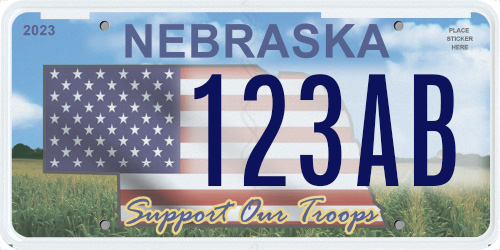
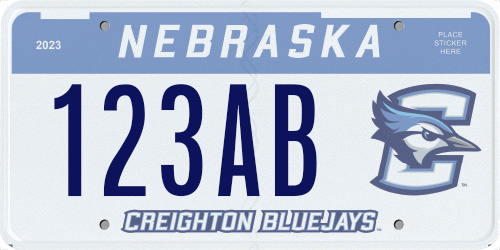
| Replacement plate | The plate itself, for the road | The plate line at $4.10 per plate, statute Section 60-3,102 |
| Renewal sticker | The month on the plate | Prints with the renewal, not with the reprint |
Timing Around a Sale or a Move
Order the reprint before the event that needs it. A sale date, a counter visit, a lender deadline: the card serves each one, and the path decides the speed. The counter prints the same visit where the office runs it; the mail waits on the post. The path sets the clock: same visit, or the post both ways. The early order reads better than the deadline order on every path.
A sale does not strictly need the seller’s card. The buyer files on the title, and the seller’s notice runs on the sale date. The card matters where a county, a buyer, or a lender asks to see the live line, and the reprint answers the ask in one visit. The card serves the asks that ride around the sale and the move.
A move reads the same way. The new county reads the file it holds, and the reprint runs where the record sits. Order the card after a transfer lands where the move and the reprint share a week, and the new office prints the current line. Order where the record lives, and the visit ends the case. The visit ends the case where the record lives.
The Record Behind the Card
The card is a view of a live file. The record carries the owner, the vehicle, the plate, the term, and the renewal month on the staggered calendar, keyed to the surname initial or the purchase date. The reprint reads the file and prints the current view. The file never sleeps, and the card only reads it back. The staggered month, the term, and the plate line all sit on the same file. The reprint reads the current view, whatever the old sheet showed.
The reprint never restarts anything. The renewal month stays where the file holds it, the term runs to its own close, and the fee lines stay on their own schedule. A new card changes the paper, not the record behind it. A reprint never moves the month, the term, or the fee lines.
Wrong lines on the card mean wrong lines on the file. The address, the name, the vehicle line: the fix runs on the record at the counter, and a corrected reprint follows the corrected file. The card prints what the file holds, nothing more. The corrected record prints a corrected card, and the glovebox reads true again. The card prints what the file holds, and the file holds what the counter wrote.
Plates Gone Too? Two Different Fixes
A lost card and a lost plate run two cases at one window. The card reprint restores the pocket proof on the county schedule. The plate replacement runs the plate fee at $4.10 per plate under statute Section 60-3,102, plus the county fee where the filing carries one. Both cases run on the same file, at the same window, and the plate line and the card line never share a fee. Both cases share one file, and both run at one window.
The plate case may want the police report. A plate that vanished in a theft reads differently from one that rattled off on the highway, and the counter reads the case before the replacement prints. The report number rides the file where the office calls for it. The theft case reads on the report, and the highway case reads on the swap. The report number settles the theft case at the window.
Order both in one visit where both ran missing. The counter takes the two cases at one window, totals the fee stack, and prints the card and the plate together. One trip restores the whole glovebox set. One window, one receipt, one whole set again. The receipt itemizes both lines on one page.
Two Owners, New Names, New Counties
When applying for a duplicate Nebraska registration certificate following a life change—such as a legal name change, marital status update, or relocation to a different Nebraska county—the state requires corresponding documentation to update the master record. If the vehicle is jointly owned, either owner can typically request the duplicate card, but address changes must be formally updated with the county treasurer to ensure future annual renewal notices arrive at your correct residence.
Either owner can order the reprint. The office reads the ID against the names on the file, and the match prints the card. A name change brings the paper that carries the new name, and the record edits before the card prints. The ID read settles the two-owner case in one look.
A moved record prints at the new county. Until the transfer or the renewal moves the file, the old county holds it, and the reprint runs there. After the move, the new office holds the file, and the reprint runs there. The file, not the calendar, picks the window that prints.
- Two owners: either name on the file can order the reprint, ID in hand.
- Name change: the paper that carries the new name, and the record edits first.
- New address: the counter updates the file, and the reprint carries the current line.
- New county: the reprint runs where the record sits today.
- Two counties on the move: the file prints where it sits today.
Call Before You Drive
A two-minute call settles the case. The county that holds the file reads the fee, the set, and the hours, and the answer turns the trip into one visit. The phone lines post at the county, and the office answers its own file. The call also reads the fee before the drive. The office names the exact set your case needs. The call also reads the fee before the drive.
The state desk backs the county line. The Driver and Vehicle Records desk takes calls at 402-471-3918 on weekdays from 8 to 5, and the main line runs 402-471-2281. The headquarters sits at 301 Centennial Mall South, PO Box 94789, Lincoln NE 68509-4726. The headquarters address serves the mail cases the phone cannot close. The headquarters address serves the mail cases the phone cannot close.
Ask one question on the call: does the case need anything beyond the ID and the fee. The office reads its own rules, the answer today prints the card tomorrow, and the second trip never happens. The answer costs a call and saves a trip. The fee, the set, and the hours all read on one call. The fee, the set, and the hours all read on one call.
Frequently Asked Questions
Below are clear, factual answers to frequently asked questions regarding replace a lost nebraska registration card – duplicate under Nebraska Revised Statutes and official county treasurer administrative guidelines. Whether you are navigating statutory filing deadlines, calculating applicable state and local motor vehicle taxes, or verifying required documentation before visiting your local county office, these concise answers explain the exact legal requirements and procedures that govern motor vehicle administration in Nebraska.
How do I get a duplicate registration card in Nebraska?
Order from the county treasurer that holds the record. The counter takes photo ID and the plate or vehicle number and prints the card on the county schedule. Where the county takes it, ClickDMV runs the reprint online, and the mail path serves owners who live out of town. The counter prints the card the same visit where the office runs it that day.
How much does a duplicate registration cost in Nebraska?
The fee follows the county schedule, and the treasurer that holds your record quotes the exact number at the window or on the phone. The card case prices small, and the plate case prices on the statute line: the $4.10 plate fee under statute Section 60-3,102 runs only where a plate itself is being replaced. The schedule fee covers the reprint and nothing else.
Do I need my title to get a duplicate registration in Nebraska?
No. The owner identification answers the case, and the plate or vehicle number finds the file. The county prints from its own record, and the title never enters the registration reprint case at the window. The title proves ownership and runs its own reprint case, with its own application and fee. The owner ID and the fee close the case at the window.
Is a duplicate registration the same as a duplicate title in Nebraska?
No. The registration card proves the live registration, the term, and the plate line, and the county treasurer that holds the record reprints it. The title proves ownership, and its duplicate runs its own application, fee, and window. The duplicate-title page on this site carries that case in full. The title case runs its own application, its own fee, its own window.
Can I get my Nebraska registration online?
Where the county takes it, yes. ClickDMV, the state’s online renewal portal, runs clean renewals and reprints for the offices that accept it. Name, address, and class changes, and any case the portal cannot read, go to the counter that holds the record, where the card prints the same visit. The two papers answer two different questions at the window.
What if my license plate is lost too, not just the card?
Two cases run at one window. The card reprint prices on the county schedule, and the plate replacement runs the plate fee at $4.10 per plate under statute Section 60-3,102. A theft case may want the police report number on the file, and the counter quotes both totals in one visit. A clean file runs on the portal, and the edge cases run at the counter.