A Nebraska dealer plate is the shared tag a licensed dealer runs across the lot: stock moves, demo drives, and courtesy runs. An in-transit permit is the paper tag that moves one vehicle one way, riding the rear glass with the sale papers behind it. The two tools keep the lot legal without a full registration on every unit.
This page covers what the dealer plate serves, who may run one, how the in-transit permit works, the display rules both carry, the demo and courtesy use lines, the hand-off at the sale, what happens when the use misreads, and the fee and phone lines behind the desk.
What a Dealer Plate Does
A dealer plate serves the lot, not one car. The tag moves across the inventory: a test drive, a demo week, a courtesy run to the shop. Every ride ties back to the dealer’s license, and the plate rides whatever vehicle the dealer business puts it on that day. One tag, many vehicles, and one license behind all of it. The plate carries no single vehicle line, and the record carries no single driver line.
The tool exists because stock turns fast. Registering every unit would bury the desk in filings for cars that sell within days, so the state runs one shared tag for dealer business and a paper permit for single moves. The plate covers the lot; the permit covers the trip. The shared tag turns a full lot into one filing line at the desk.
The plate never rides home with a buyer. A customer takes the county temp tag, files the title at the treasurer, and drives on the buyer’s own paper. The dealer plate stays on lot business, and the hand-off moves the vehicle onto the buyer’s line inside 30 days. The buyer’s papers start at the sale, and the lot’s paper ends there.
Who May Run One
Licensed dealers hold the privilege. The DMV dealer licensing desk keeps the licenses, assigns the plates, and reads every use back to the license on file. A dealer’s staff can run the plate on lot business, and the record ties each use to the license that carries it. The license is the anchor, and the plate is the tool the anchor carries.

No one else can borrow the tool. A friend, a relative, or a flipper without a license reads as misuse the moment the plate sits on a car outside dealer business. The stop writes the citation on the road, and the desk review reads the pattern behind it. The county tag is the paper that serves everyone outside the lot. The misuse reads the same wherever it shows: the citation at the stop, the review at the desk.
The license keeps the plate alive. A lapse or a suspension pulls the plate privilege with it, and the desk tracks both lines together. Ask the desk before any use that stretches the lines, and the answer on file beats the citation at a stop. The desk answers the stretch cases on the phone in minutes.
- The license is the anchor every plate and permit ties back to.
- The desk is the DMV dealer licensing desk that keeps the records.
- The lot uses cover stock, demo, and courtesy runs on the plate.
- On the buyer side, the county tag applies, never the dealer plate.
The In-Transit Permit: Paper That Rides the Glass
An in-transit permit moves one vehicle one way. The paper tag rides the rear glass, driver side, and the sale documents sit in the glovebox behind it. The permit covers the window the state sets, and the run it covers ends where the vehicle lands. The paper dates the move, names the vehicle, and travels the trip from end to end.
Dealers file the permits through the DMV dealer licensing desk, the same desk that keeps the license. The paper reads the vehicle, the move, and the dates, and a stop reads the glass tag against the paper. A permit on the wrong unit or past its window reads as a violation. A stop reads the tag and the papers together, and the case ends in a minute. The desk files the permit, and the desk reads the dates against the trip.
The permit carries no registration. No plate line, no renewal, no tax lines ride on it. Its job ends when the trip ends, and the buyer’s county filing within 30 days of the sale starts the real registration the permit only bridged. The permit does one job, and it does it inside one window.
Display Rules for Plates and Permits
Both tools follow the same read: plainly visible, nothing over the print. The dealer plate mounts to the vehicle like any plate, characters out, upright, secure. The permit rides the rear glass where the eye and the camera both catch it, and nothing clouds the read. The standard runs day and lit night, the same read any plate answers.
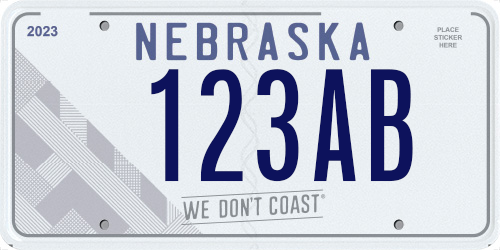
A covered tag reads as a missing tag. The stop needs nothing else, and the fix costs nothing but the cover. The plate on the mount and the permit on the glass both pass the same test at any distance, day or lit night.
Check the display before every move. A walk past the rear covers the plate, the permit, and the papers in one read, and the thirty seconds end the stop category before the wheels turn.
- Dealer plate: mounted to the vehicle, characters plainly visible, nothing over the print.
- In-transit permit: rear glass, driver side, facing out.
- Glovebox set: the sale papers the tag points at, in reach at any stop.
- Clean read: no tint over the paper, no folder across the glass, no glare sleeve.
- For the night read, the lit glass or the plate light keeps the tag visible after dark.
Demo Drives and Courtesy Runs
The plate covers three reads: stock, demo, courtesy. Stock moves shuttle inventory between lots and lifts. Demo drives put a buyer behind the wheel on dealer business. Courtesy runs take a sold or serviced vehicle where the lot needs it, inside the window the desk sets. Three uses, one tag, and the license behind all three.
The line runs at dealer business. A family errand, a commute, or a vacation haul on a dealer plate reads as personal use, and the misuse carries the same citation class any plate misuse carries. The desk review reads the pattern, and repeat cases sit on the record.
Ask before the stretch, not after the stop. The desk answers the close cases on the phone, the answer on file beats the citation at the roadside, and the plate keeps its clean read on the uses the license carries.
The use lines on a dealer plate.
| Use | The paper it runs | The read at a stop |
|---|---|---|
| Stock move | The dealer plate | Clean: lot business on the license |
| Demo drive | The dealer plate | Clean: a buyer behind the wheel on dealer business |
| Courtesy or service run | The dealer plate, inside the window | Clean where the paper carries it |
| Buyer’s drive home | The county temp tag, never the plate | Clean on the buyer’s filing |
| Personal errand | No paper fits the use | The misuse read, cited at the stop |
The Sale Hand-Off to the Buyer
The hand-off moves the vehicle onto the buyer’s clock. The dealer releases the signed papers at the exchange, the buyer takes the county temp tag, and the buyer files the title at the treasurer within 30 days. The dealer plate stays behind, and the lot record closes at the release. The dealer’s paper ends at the exchange, and the buyer’s paper starts at the county. The set, the tag, and the filing run on three stops at two counters.
The temp tag issues at the county, not the lot. The buyer brings the sale set to the treasurer, the counter reads the papers, prices the tag, and prints it the same visit. The drive home runs on that tag, and the full registration prints at the filing. The county prints the tag on the sale set the same visit.
The 30 days cover the gap. A new resident runs the same clock, registration within 30 days of the move, and the tag bridges the counter dates. A tag past its window reads as an expired tag at the first stop, the same citation class a lapsed plate draws. The tag dates from the sale, and the county filing closes it inside the window.
When the Use Misreads
Misuse writes its own record. The stop cites the case on the road, and the desk review reads the pattern behind it. The cases that draw both: a dealer plate on a personally owned car, a permit riding past its window, a buyer running a plate that was never theirs to run.
The fix runs before the keys move. The buyer takes the county tag, the plate stays on lot business, and the permit dies at its window. A question at the desk costs minutes; a citation at the roadside costs the ticket and the review that follows it.
Patterns read on the record. A plate that keeps showing up off-lot draws the desk’s attention the same way a lapsed plate draws stops, and the clean run of lot business keeps the file clean. A clean paper on every trip keeps the record and the lot clean.
- A plate on lot business only: the clean read, every time.
- A plate on a family car or a vacation run: the misuse read.
- A permit on the glass after its window closed: the expired read.
- A buyer running a dealer plate: the wrong-paper read, and the stop writes it.
- A permit on the wrong vehicle: the mismatched read, caught at the glass.
The Desk Behind the Plates
The DMV dealer licensing desk runs the dealer side. The desk keeps the licenses, assigns the plates, files the permits, and reads the use lines against both. The 93 county treasurers run the buyer side after the sale, and the two sides meet at the title filing within 30 days. The desk reads the trip, the paper, and the license in one look. The county window runs the buyer filings, and the desk never crosses into that work.
Records tie everything together. A plate that shows up at a stop reads against the license on file, the desk sees the pattern where misuse repeats, and the clean lot keeps a clean file. The records protect the honest dealer as much as they catch the loose one. The records read as fast at a stop as they read at the desk.
Call the desk before an odd trip. A unit bound for auction, a car headed out of state, a stock move across town: each case reads clean when the paper matches the trip, and the desk confirms which paper the trip needs before the wheels turn. The answer on the phone beats the guess on the lot, every time the trip bends.
Fee Lines a Dealer Meets
The base lines sit in statute. A plate runs $4.10 under statute Section 60-3,102, $8.20 a pair, and the county fee adds $1.50 under statute Section 60-3,141 where a filing carries one. The motor vehicle fee runs 5, 20, or 30 dollars by weight class where a full registration prints. The base lines never move, whatever the desk or the lot reads. The base lines read the same at any window in the state, dealer side or buyer side.
The dealer-side charges live on the desk’s schedule. Plate assignments, permit filings, and license renewals price on the lines the desk posts, and the quote from the desk governs the case. Never price a dealer filing off a neighbor’s receipt or an old sheet. The desk quotes the current schedule on the phone before any filing runs. The desk quote today prices the filing, and an old sheet prices it wrong.
The buyer’s lines run separately. The buyer’s filing at the treasurer carries the plate fee, the county fee, the weight-class fee, and the sales tax at 5.5 percent state plus local, priced on the sale. The dealer’s plate line and the buyer’s filing line never share a bill. Two counters, two receipts, and the whole sale reads clean on paper.
The Buyer’s 30-Day Window
The buyer files inside 30 days. The title filing at the treasurer starts the full registration, the temp tag covers the gap, and the plate prints at the filing. A new resident runs the same clock: registration within 30 days of the move, whatever the vehicle or the price. The clock runs from the sale date, and the tag carries the road until the plate prints. The tag bridges the days between the exchange and the county filing.
The window protects both sides. The dealer’s record closes at the release, the buyer’s drive stays legal on the tag, and the county filing ties the vehicle to the buyer’s line. A tag past its window draws the expired-tag citation at any stop, the same class a lapsed plate draws. The class reads the same on the temp tag as on the plate line.
Book the counter inside the window. The clerk reads the set, runs the insurance check, prices the fee stack, and prints the plate in one visit. The filing inside 30 days ends the tag, the dealer’s last tie to the vehicle, and the open line on the sale. The clerk quotes the total before anything prints, and the receipt itemizes it. One visit ends the tag, and the plate carries the road from there.
One Plate and Multiyear Terms
Legislative Bill 97 resets the plate count. Passed April 2025 on a 46-0 vote, the law ends front-plate issuance at the 2029 reissue and adds multiyear registration terms. A lot full of two-plate stock rolls to single rear plates as the cycle reaches each unit. The single plate carries the display duty the front plate ran through the current cycle. The front plate retires with the cycle, and the rear plate carries the read.
The buyer side feels it first. Multiyear terms mean fewer renewal stops for customers, and the hand-off at the sale can carry a term longer than the old one-year line. The desk and the county counters will post the new terms as the cycle lands. The longer terms also thin out the renewal calendar at the lot. The longer terms thin out the renewal calendar at the lot and at the counter.
Nothing in the change moves the use lines. The dealer plate still serves lot business only, the permit still rides its window, and the buyer still files at the county inside 30 days. The law moved the plate count and the term length; the paper rules held their lines. The cycle reaches each unit, and the new terms land where the filing prints.
The 2029 change at a glance.
| The line | Before | After the reissue |
|---|---|---|
| Plate count | Two plates on the covered classes | One rear plate |
| Registration term | The one-year line | Multiyear terms |
| Display duty | Front and rear | The rear read on one plate |
Who to Call
Two desks split the work. The DMV dealer licensing desk answers the dealer side: licenses, plate assignments, and the in-transit permits. The county treasurer answers the buyer side: the temp tag, the title filing, and the registration that prints the buyer’s plate. The desk never crosses into county work, and the county never reissues dealer plates. The desk never crosses into county work, and the county never reissues dealer plates.
The Driver and Vehicle Records desk takes the general calls at 402-471-3918 on weekdays from 8 to 5, and the main line runs 402-471-2281. The headquarters sits at 301 Centennial Mall South, PO Box 94789, Lincoln NE 68509-4726. The county offices post their own hours and their own reads at the window and on the phone. One call to either desk points the case at the right window. The county offices post their own hours and reads at the window and on the phone.
Ask before the trip, not after the stop. A two-minute call to the right desk settles which paper a move needs, what the fee line reads, and where the filing runs. The answer on the phone beats the citation at the roadside every time. Ask, load, and drive, in that order, on every dealer move. Ask, load, and drive, in that order, on every dealer move.
Frequently Asked Questions
Below are clear, factual answers to frequently asked questions regarding nebraska dealer plates and in-transit permits – rules under Nebraska Revised Statutes and official county treasurer administrative guidelines. Whether you are navigating statutory filing deadlines, calculating applicable state and local motor vehicle taxes, or verifying required documentation before visiting your local county office, these concise answers explain the exact legal requirements and procedures that govern motor vehicle administration in Nebraska.
What is a Nebraska dealer plate?
A dealer plate is the shared tag a licensed dealer runs on vehicles in stock, on demo drives, and on courtesy runs. It issues through the DMV dealer licensing desk against the dealer’s license, and it stays on lot business. The plate serves the lot, and the tag serves the buyer, every time. A buyer never takes a dealer plate home.
Can I use a dealer plate for personal driving in Nebraska?
No. The plate covers dealer business only: stock moves, demo drives, and courtesy runs. A family errand, a commute, or a vacation haul reads as personal use, the stop writes the citation, and the desk review reads the pattern on the record. The county tag, not the dealer plate, covers every drive outside lot business.
What is an in-transit permit in Nebraska?
It is the paper tag that moves one vehicle on one trip. The permit rides the rear glass, driver side, with the sale papers in the glovebox behind it. Dealers file the permits through the DMV dealer licensing desk, and the permit ends when its window closes or the buyer’s plate prints. The paper dates the move, and the dates answer the trip.
How long can a car run on an in-transit permit in Nebraska?
The permit runs its posted window, and the standard temp-tag window runs 30 days. Past the window, the tag reads as expired at any stop. File the title at the county treasurer inside the window, and the full plate replaces the paper tag at the filing. The clock runs from the sale date. The filing inside the window ends the temp-tag chapter for good.
Do private buyers get dealer plates in Nebraska?
No. A private buyer leaves the sale on the county temp tag, the paper the treasurer issues on the sale set, and files the title within 30 days. The hand-off puts the buyer on the county tag at the exchange. The dealer plate never leaves the lot, because its use ties to the dealer’s license and lot business only.
Who issues dealer plates in Nebraska?
The DMV dealer licensing desk issues them. The desk keeps the licenses, assigns the plates, and files the in-transit permits. Call the desk for dealer cases, and call the county for buyer cases. The county treasurers run the buyer side: the temp tag, the title filing inside 30 days, and the registration that prints the buyer’s own plate.